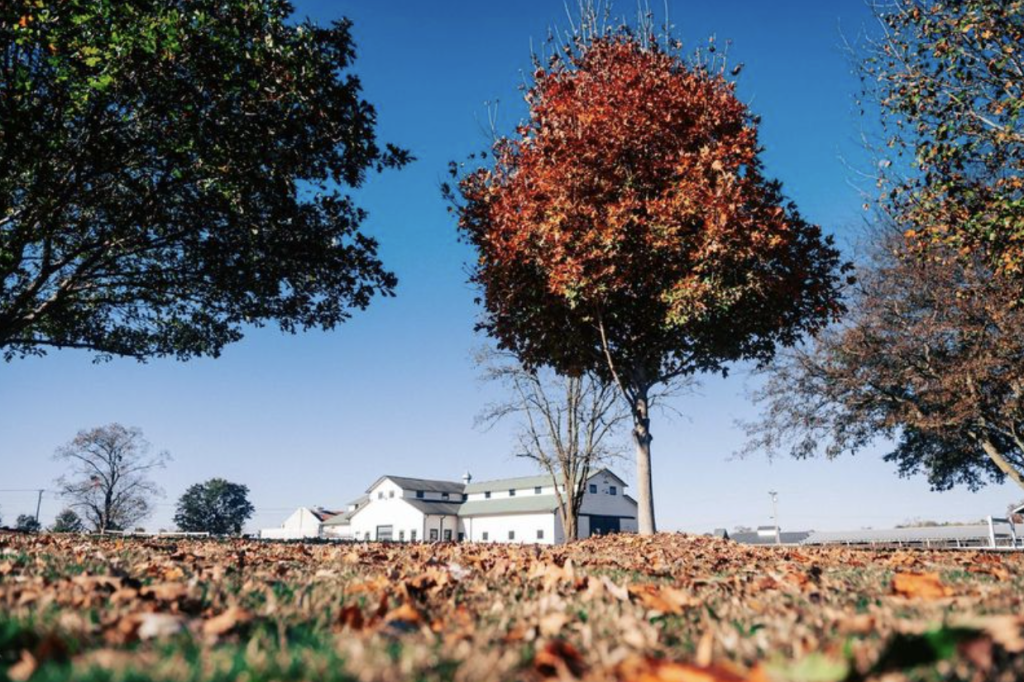
It’s been said that there’s no better way to find a place than to get lost in it. Williamson County’s 584 square miles offer some of the most scenic backroads in the South—a geographical footprint so large that you can travel from the flatlands to the ridges of the Highland Rim, gaining more than 800 feet in elevation.
There’s much to be discovered, in every season. Alongside horse farms and cattle pens, it could be cornfields and sunflower patches in the summer, or the lime green of new spring painted with redbuds and dogwoods. It’s the sugar maples and sumacs that star in the fall, but winter’s palette is equally impressive—creamy white sycamore bark against rusty green cedar, alongside creeks that flow year-round. And that’s just the natural.

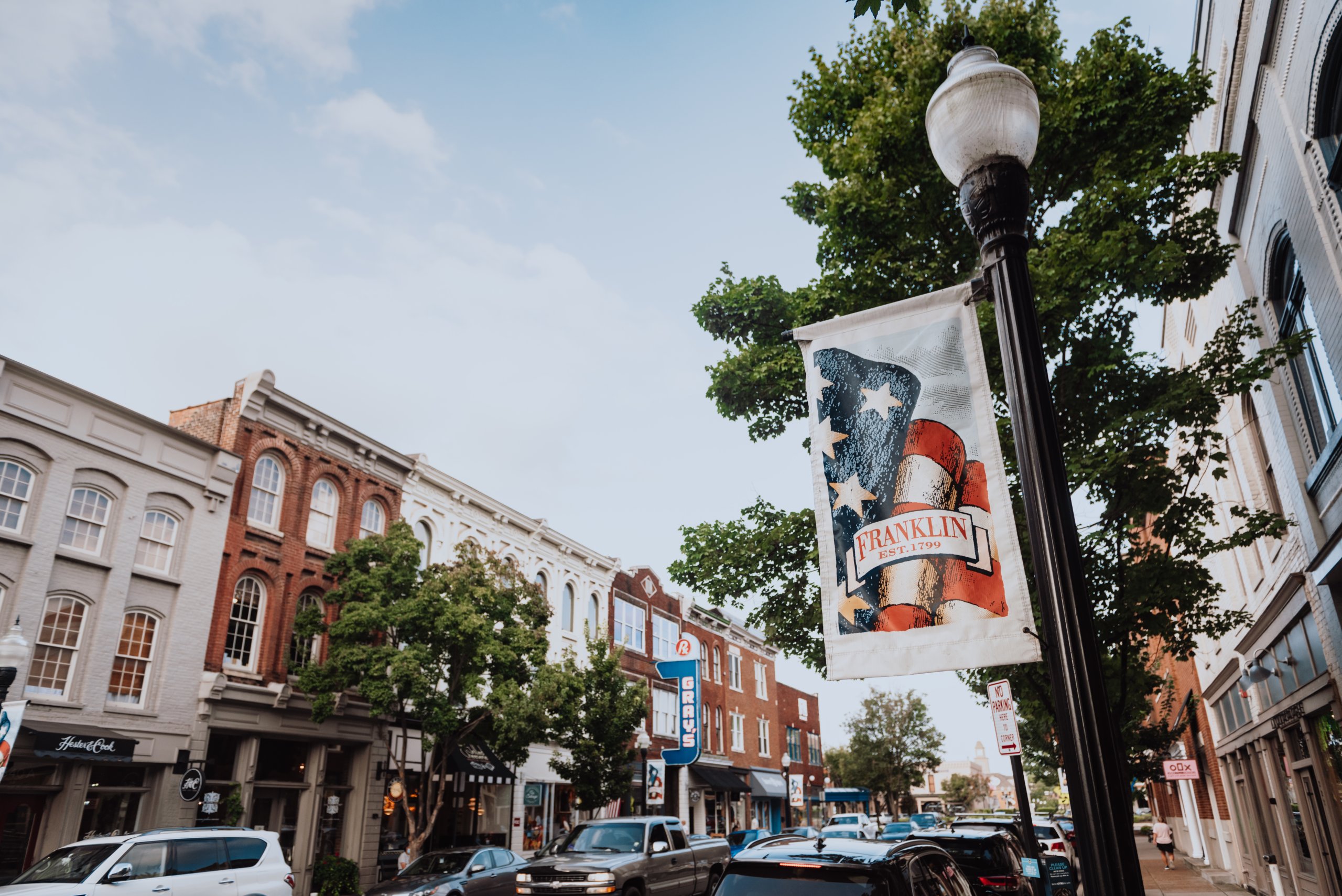
Homes that have stood for more than a century are all over Williamson County, and they tell the story of America. At the turn of the 19th century, just 25 years after the Revolution, this was the western frontier of a proud nation. As we commemorate 250 years as the United States, opportunities abound to discover how Franklin and its people played an outsized role in American history.
Related Posts


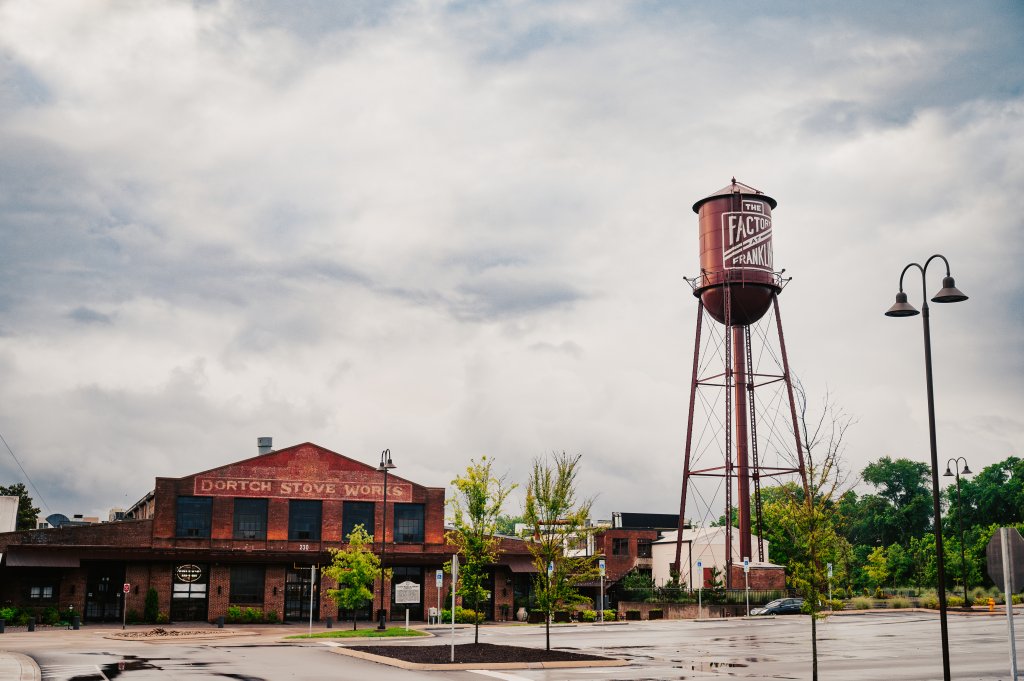
When settlers first pushed south from Nashville into the wilderness, they came through the Holly Tree Gap. As Franklin was established in 1799, that road became the only wagon route in and out of town. Aptly named the Nashville Pike, and now known as Franklin Road, it becomes Main Street once you cross the Harpeth River. On the way into town, you’ll pass iconic homes such as the ca. 1835 Creekside, ca. 1800 Wyatt Hall, and ca. 1902 Riverview, as well as the 200-acre Park at Harlinsdale Farm, the birthplace of the Tennessee Walking horse. Just across the street, the historic Factory at Franklin is a stunning example of adaptive reuse of a dilapidated structure that was nearly imploded for a movie production 30 years ago.
East Main Street features unbelievable history, including the Old Factory Store—now home to Landmark Booksellers—that was built as early as 1808, and the Hiram Masonic Hall (ca. 1823). Here, President Andrew Jackson signed the Chickasaw Treaty in 1830, which ultimately led to the shameful Trail of Tears era that forced removal of Native Americans from their ancestral homelands.
Speaking of President Jackson, he marched his Tennessee troops from Franklin to and from New Orleans on the Natchez Trace to defeat the British in the War of 1812. He earned himself the moniker Old Hickory, and his troops an indelible legacy as the Tennessee Volunteers.
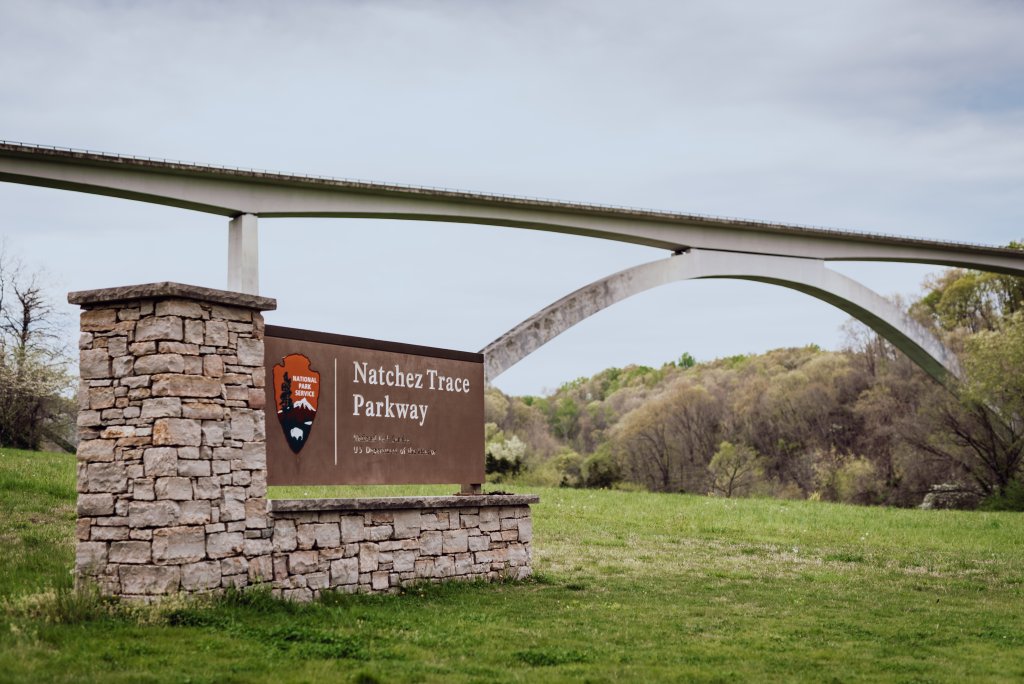
Now a 444-mile-long national park, the Natchez Trace Parkway runs through Franklin, winding from Nashville to Natchez, Mississippi. This 10,000-year-old artery began as a path for mammoths and mastodons from the lower Mississippi River delta to great salt licks in present-day Middle Tennessee, and then was a trade route through epochs of native populations. Later, the French, Spanish, British and ultimately American settlers fought for control of what was then the frontier, and the Trace cut through the center of it all. Historic waypoints abound on the Trace, and you won’t find a more beautiful drive, regardless of the season.
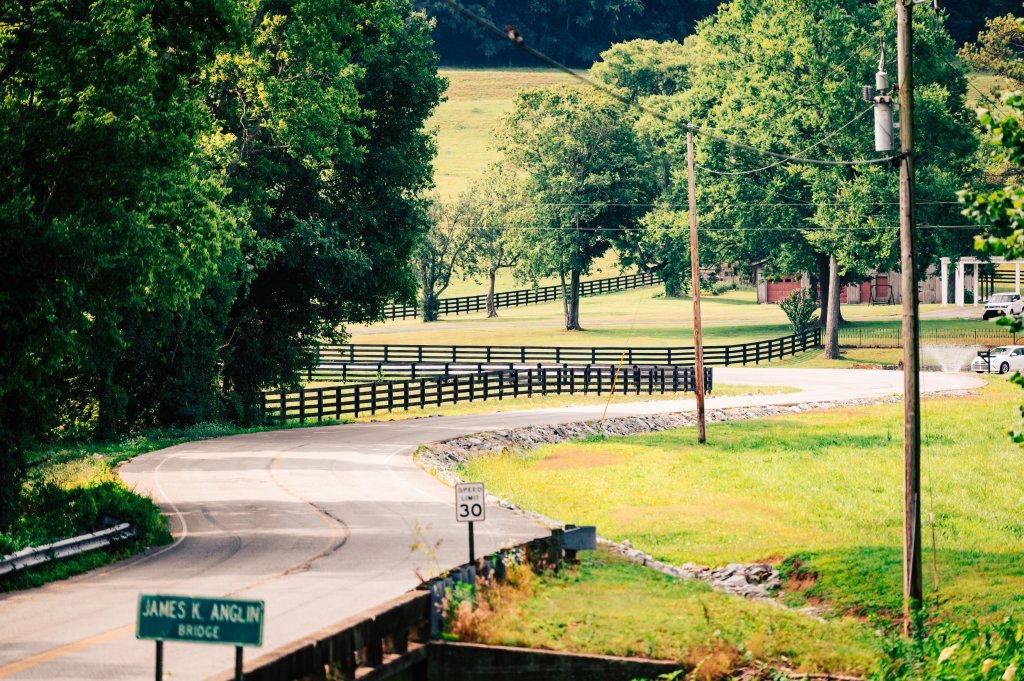
Accessible from Highway 96 West—where the legendary double-arch bridge spans Birdsong Hollow—or from Pinewood Road in Leiper’s Fork, either approach from Franklin presents some epic backroad action. Between Old Hillsboro and Old Harding roads, you’ll travel Waddell Hollow and Still House Hollow, and then Big East Fork Road. Many would vote this the prettiest road in the county. Look for the historic markers that tell of moonshine and mills, schoolhouses and churches, and the people and farms that have made their mark over two centuries.
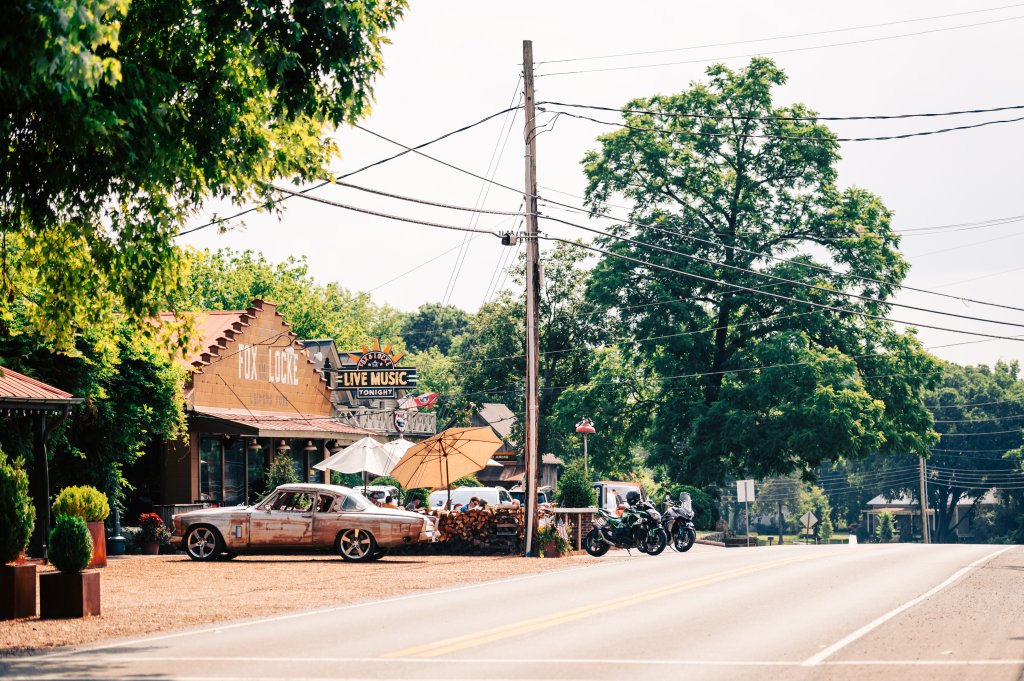
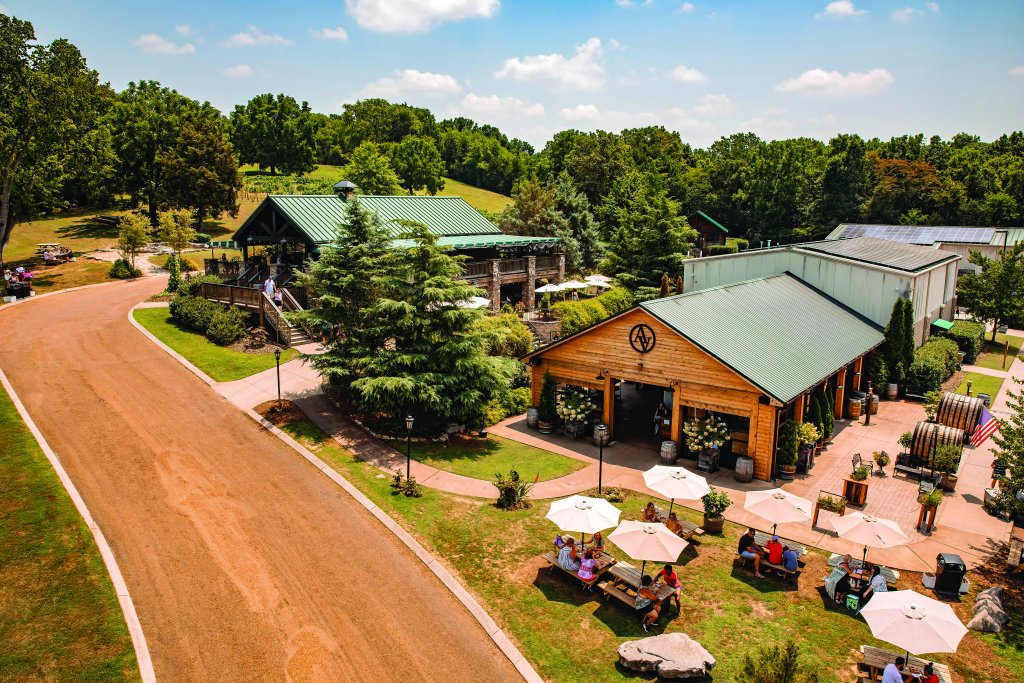
On the opposite end of the county, the 31A scenic trail runs from the historic community of Nolensville down to College Grove. From antique shops to an apple orchard, Nolensville lies just south of Nashville, and its Main Street is Highway 31A. Wind through 12 miles of old homes and farms via the crossroads at Triune and on to College Grove, where you’ll find the 75-year-old Hatcher Family Dairy as well as the 100-acre Arrington Vineyards, owned by none other than Kix Brooks of Brooks & Dunn fame.
Pulltight Hill Road takes you over the Duck River Ridge at the highest point in Williamson County at 1,256 feet. Scenic vistas span either side of the Tennessee Valley Divide, which historically marked the point separating Cherokee and Chickasaw hunting grounds. Topographically, one side drains to the Tennessee River, while the other flows to the Cumberland.
Consider a visit to the new Peacock Hill Nature Park, a 250-acre preserve that for years served as a private estate and bed-and-breakfast. The ca. 1850s farmhouse is now the visitors center, and there’s plenty to explore while you stretch your legs.
As you work your way back toward Franklin, take Flat Creek Road, accessible from Pulltight Hill. This road meanders alongside the creek for several miles through classic countryside, and a tiny community with roots that date back to Revolutionary War land grants.
Cover all of this ground, and you’ll see what makes Williamson County, Tennessee, so uniquely American… 250 years, and we’re just getting started. Happy birthday, USA!