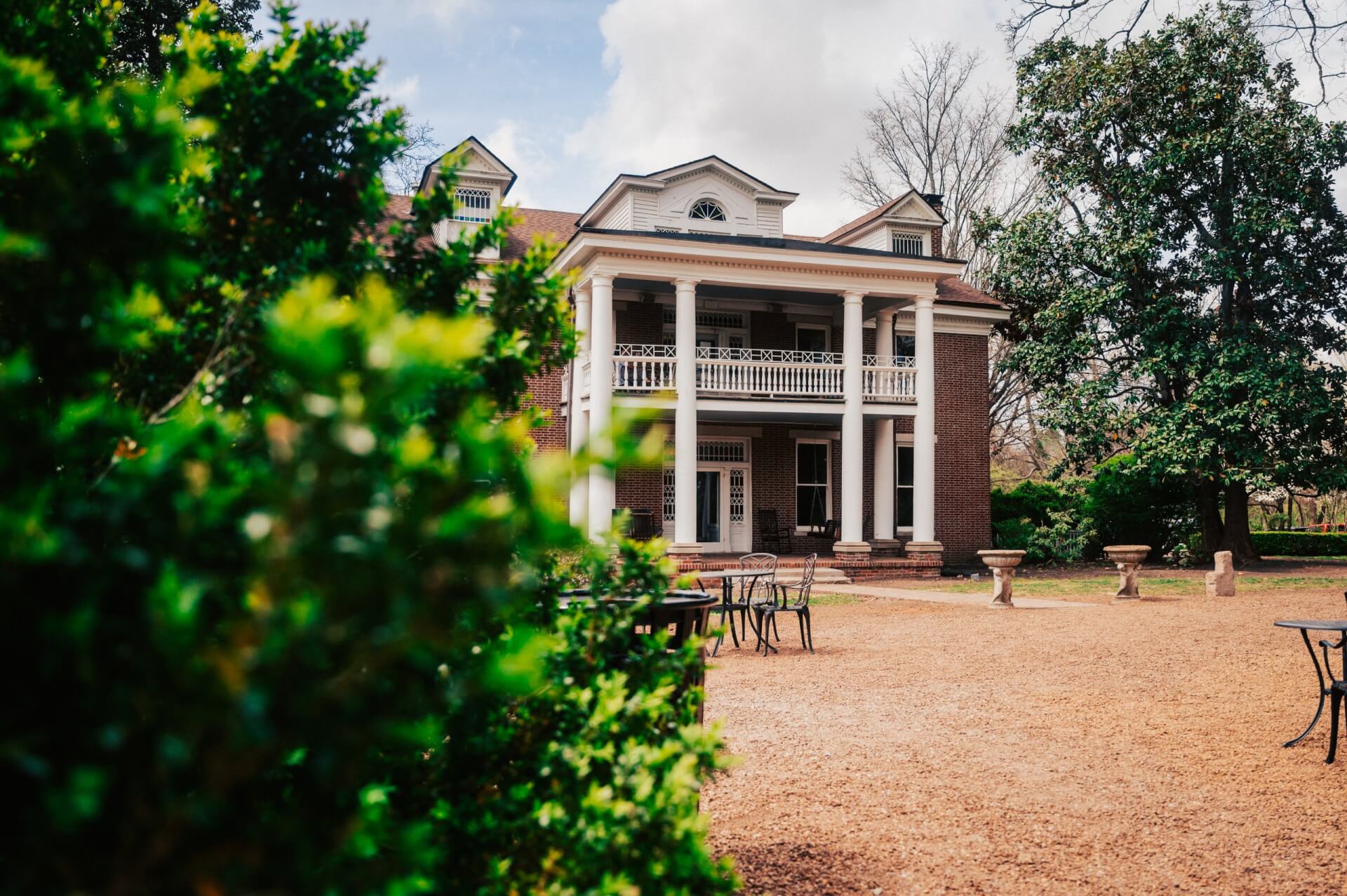
The American Civil War is at the center of Franklin’s story. In fact, the November 30, 1864, Battle of Franklin broke the back of the Confederate Army of Tennessee, and within six months, the war was over. But the breadth of middle Tennessee’s role in the war goes far beyond that one fateful battle, and the human stories to be found here are incredibly compelling.
Nashville was the first of the southern capitals to fall in early 1862. Franklin was occupied as well, with Fort Granger being built high upon a bluff overlooking the town and turnpike. Then, for three days that crossed over the new year into 1863, the Battle of Stones River in nearby Murfreesboro was one of the bloodiest to date—70,000 men fought to a stalemate, leaving 23,000 casualties on the field.
Things were relatively quiet for a period, with the two armies retreating to study their failures and wait out the rainy season. Still, they were never more than a day’s march apart. On March 4, 1863, a small but fierce battle took place just south of Franklin in Thompson’s Station, characterized as a “no-man’s land” that stood in the center of a 1,100-mile battle line stretching from Virginia to south Mississippi.
Related Posts


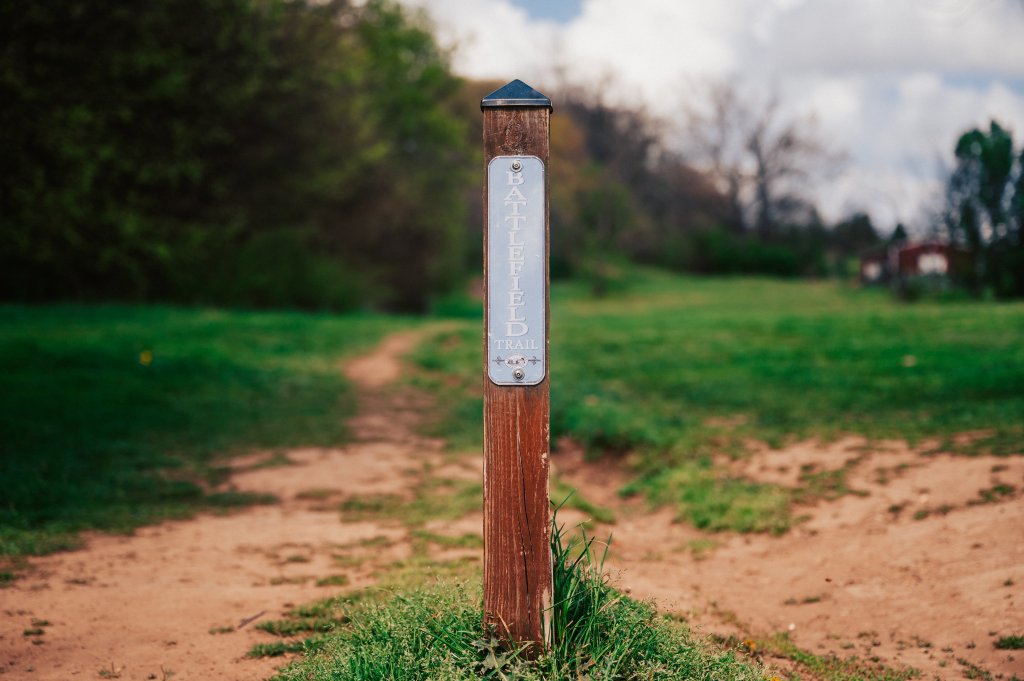
On that early spring day, a reconnaissance mission of about 2,500 Federals left Franklin to scout out the rolling hills near Spring Hill, a dozen miles to the south. They didn’t get that far, though. Four miles out of town in Thompson’s Station, they made an attack on two regiments of Confederates but were repulsed. Then, other Rebel cavalry forces showed up in force. Ultimately surrounded, U.S. Col. John Coburn surrendered, and more than 1,200 of his troops were taken prisoner.
It was a tough fight for both sides. Infamous General Nathan Bedford Forrest had his favorite mount, Roderick, shot out from underneath him, and the Confederates lost 300 men. But it was a decisive win that gave the southern command hope for controlling middle Tennessee again, and perhaps a chance to one day retake Nashville.
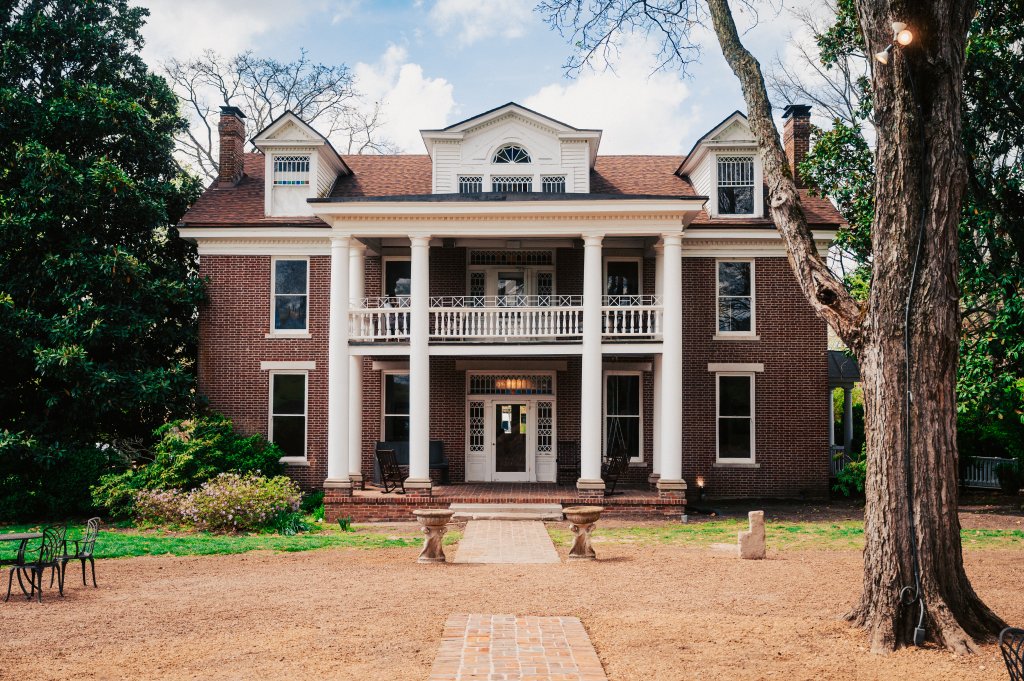
The Battle of Thompson’s Station took place in and around the home known today as Homestead Manor, located on Columbia Pike. Completed in 1819 by the Virginian Francis Giddens, who settled here on a Revolutionary War grant, it is one of the oldest structures in Williamson County. At the time of the battle, it was home to Dr. Elijah Thompson and his family, including his 17-year-old daughter Alice.
As the fight raged on outside, the Thompsons watched from the cellar. But Union after-action reports told the story of young Alice streaking across the field to take up the Rebel flag when the color bearer from the 3rd Arkansas regiment fell. The scene inspired the Confederates, who ultimately surrounded the Federals and took the victory. Yet both sides felt the battle was uncharacteristically disorganized and chaotic. Gen. Forrest was furious with Gen. Van Dorn—his superior—for the lack of orderly support provided to his troops. That argument escalated, leading to the scheduling of a duel for one month later. In the interim, however, Van Dorn was shot dead by the scorned husband of one of his lovers.
As for Alice, she too managed to find love amidst it all. After the battle, the home served as a field hospital, and Dr. David Dungan, a Confederate surgeon, was assigned there. They later married and had four children. Sadly, she died at the age of 23, along with two of her children, during a yellow fever pandemic in 1870. She is buried near Homestead Manor along with her parents and those children.
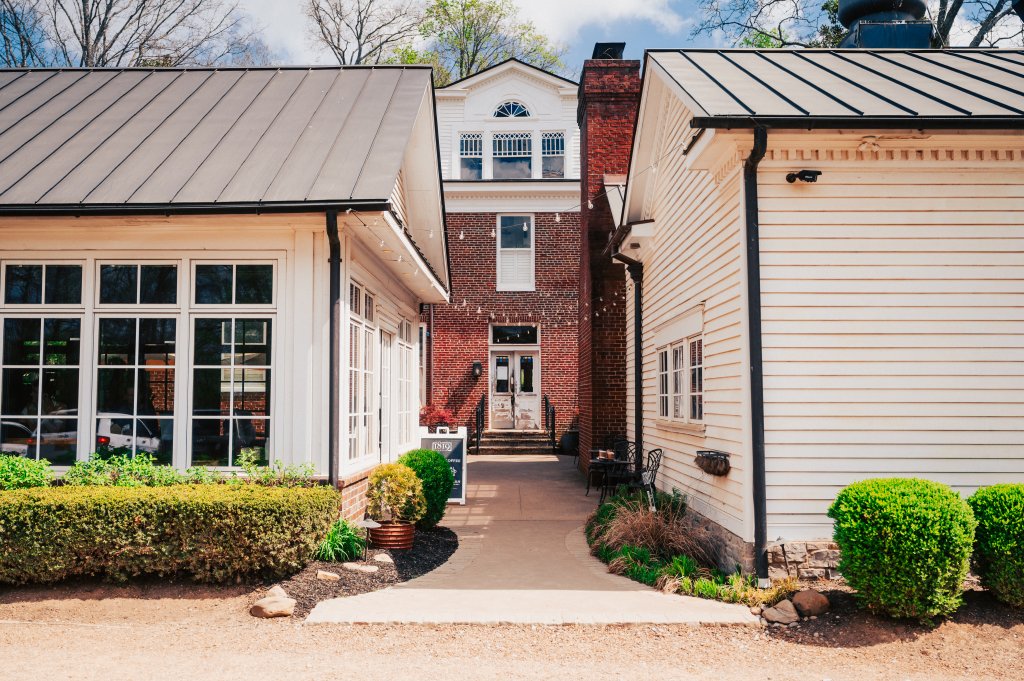
Today, Homestead Manor is a wedding and event venue spanning nearly 50 acres. Attached to the manor is 1819 Coffee, a cozy coffee shop open to the public. The home has been lovingly restored, encompassing all three stories and 6,000 square feet. A circa 1814 schoolhouse on site is also worth a look.