When people visit Franklin, they often say the same thing: it feels different here. The streets look like a postcard, the farms roll out like a painting, and yet nothing feels staged. Franklin is a real, working town in a real, working county. That “different” feeling is not an accident. It is the result of decades of preservation choices, hard conversations, and community vision.
I sat down with Dr. Carroll Van West, Tennessee’s State Historian and Director of the Middle Tennessee State University Center for Historic Preservation, for a wide-ranging conversation about preservation in Franklin and Williamson County. What follows draws on that interview and on the decades of work that have transformed this community’s battlefields, Main Street, and open land.
A Battlefield Hidden in Plain Sight
For generations, Franklin lived with a paradox. It was the site of one of the bloodiest battles of the Civil War, and yet much of that sacred ground disappeared beneath parking lots, commercial strips, and everyday life.
The Battle of Franklin was horrific even by Civil War standards. Thousands were killed or wounded in a matter of hours. For decades afterward, residents carried the trauma of those events. It is no surprise that, in the late nineteenth and early twentieth centuries, many people did not clamor to preserve those sites. Forgetting felt easier than remembering.
That began to change in the mid-twentieth century with the creation of the Carter House museum.
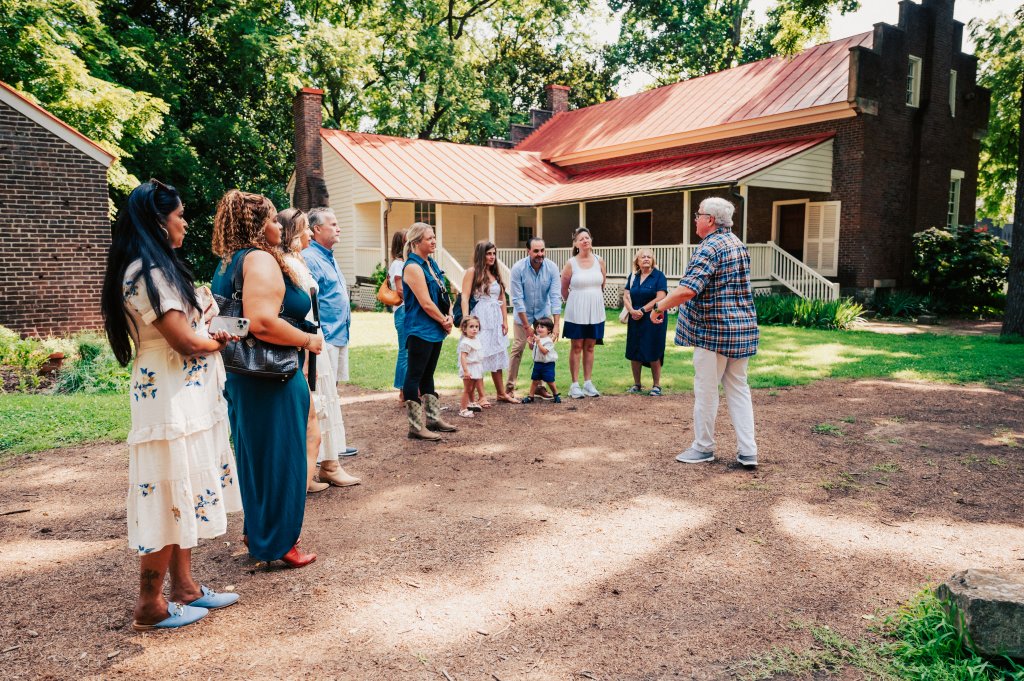
It represented a first step, but, as Dr. Van West notes, one house alone could not fully convey the reality of battle. By the late twentieth century, a new generation of residents, historians, and civic leaders began to ask harder questions:
- Where exactly did the fighting take place?
- Could any of that land be reclaimed for public memory?
- What might it mean to stand on open ground again, rather than in a parking lot or dining room, and truly confront what happened here?
Related Posts


One unlikely answer came in the form of a Pizza Hut.
In 2005, National Geographic named the Battle of Franklin one of the top “lost battlefields,” highlighting the severe impact of commercial development, including a Pizza Hut built on land once part of the battlefield. When the commercial property on Columbia Avenue went up for sale, preservationists saw a once-in-a-lifetime opportunity. If they could purchase and remove the building, they could begin to physically reclaim the battlefield that had been paved over and built on.
The demolition of the old Pizza Hut became a community moment. People gathered not to celebrate destruction, but to witness a turning point. It marked the beginning of a broader effort to restore key parts of the Franklin battlefield, which now totals more than 180 preserved acres.
Today, when visitors walk these now-preserved battlegrounds, they encounter more than a scenic park. They stand on ground where a war fought over slavery brought immense destruction and loss. The Civil War ended legal slavery, but at the cost of more than 600,000 lives. Preserving this land allows us to honestly reckon with that reality, both the injustice at the war’s core and the staggering human toll it demanded.
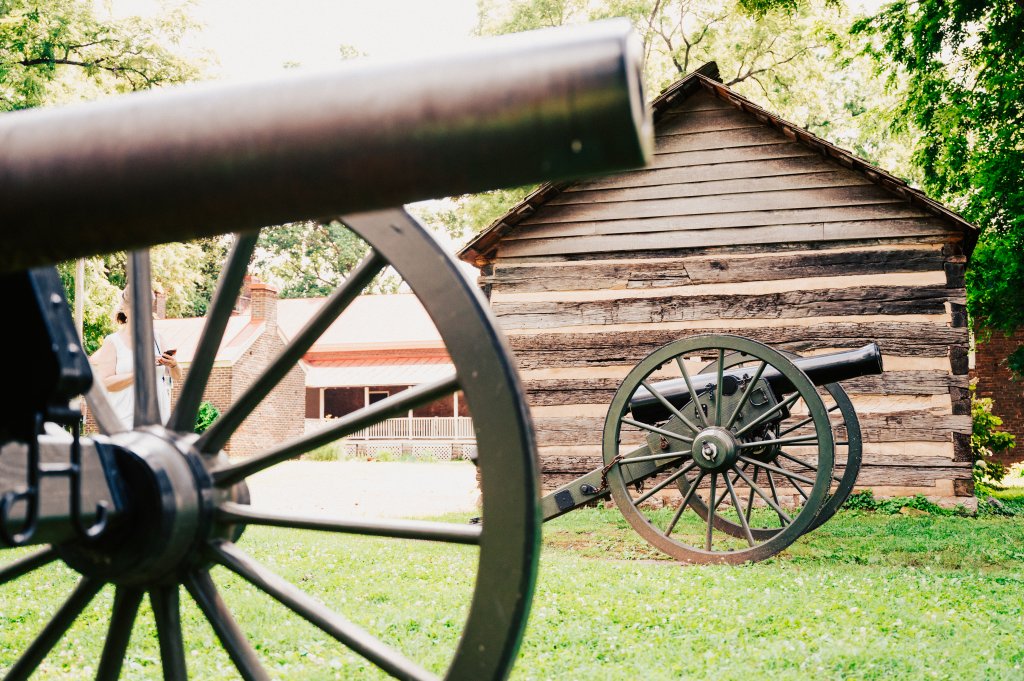
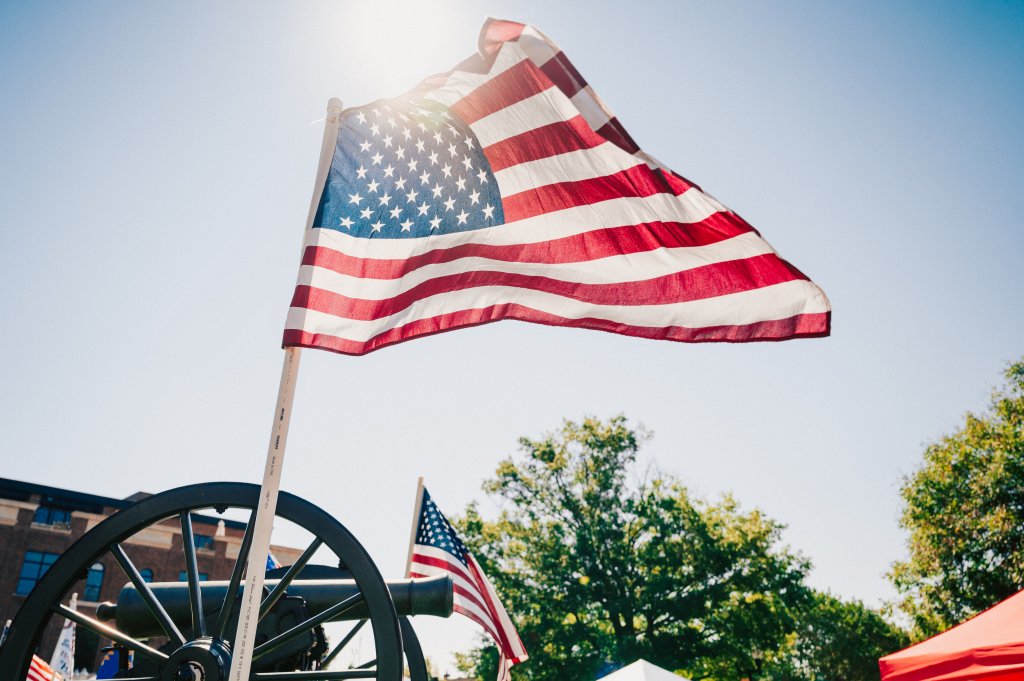
As we reflect on America’s 250th anniversary, that honesty is essential. A democratic nation cannot celebrate its founding ideals of freedom without also facing the times when those ideals were tested and denied. Battlefield preservation gives that reckoning a physical address.
Beyond the Charm of Main Street Franklin
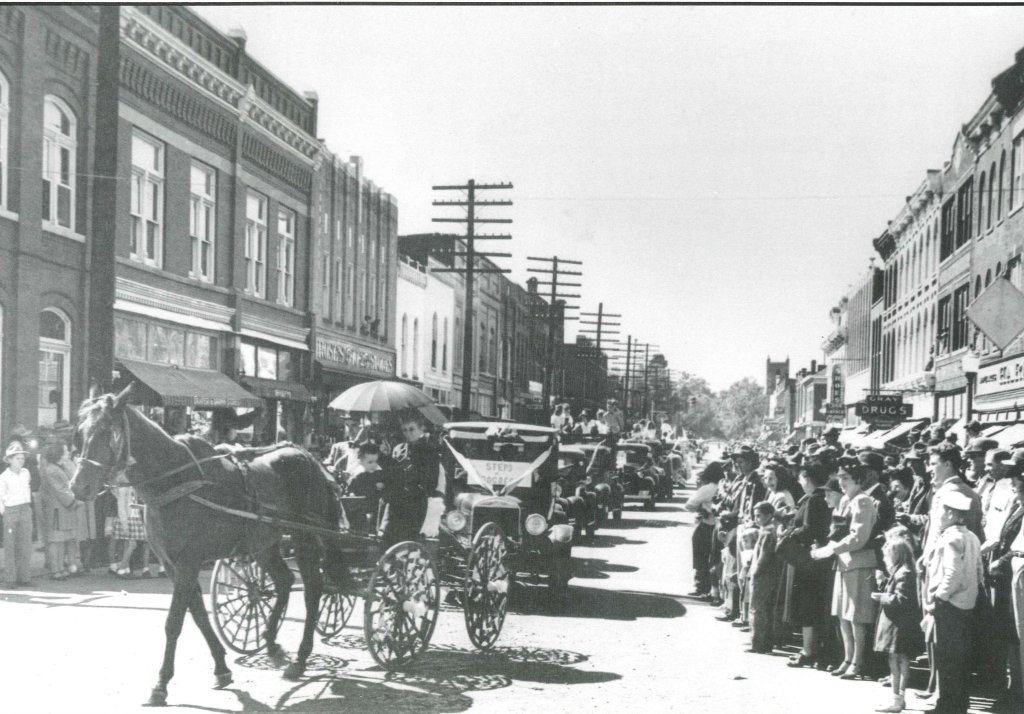
If the battlefields in Franklin remind us of sacrifice and conflict, Main Street tells a different chapter of the American story. It is about resilience, reinvention, and the hard work of choosing preservation over short-term gain.
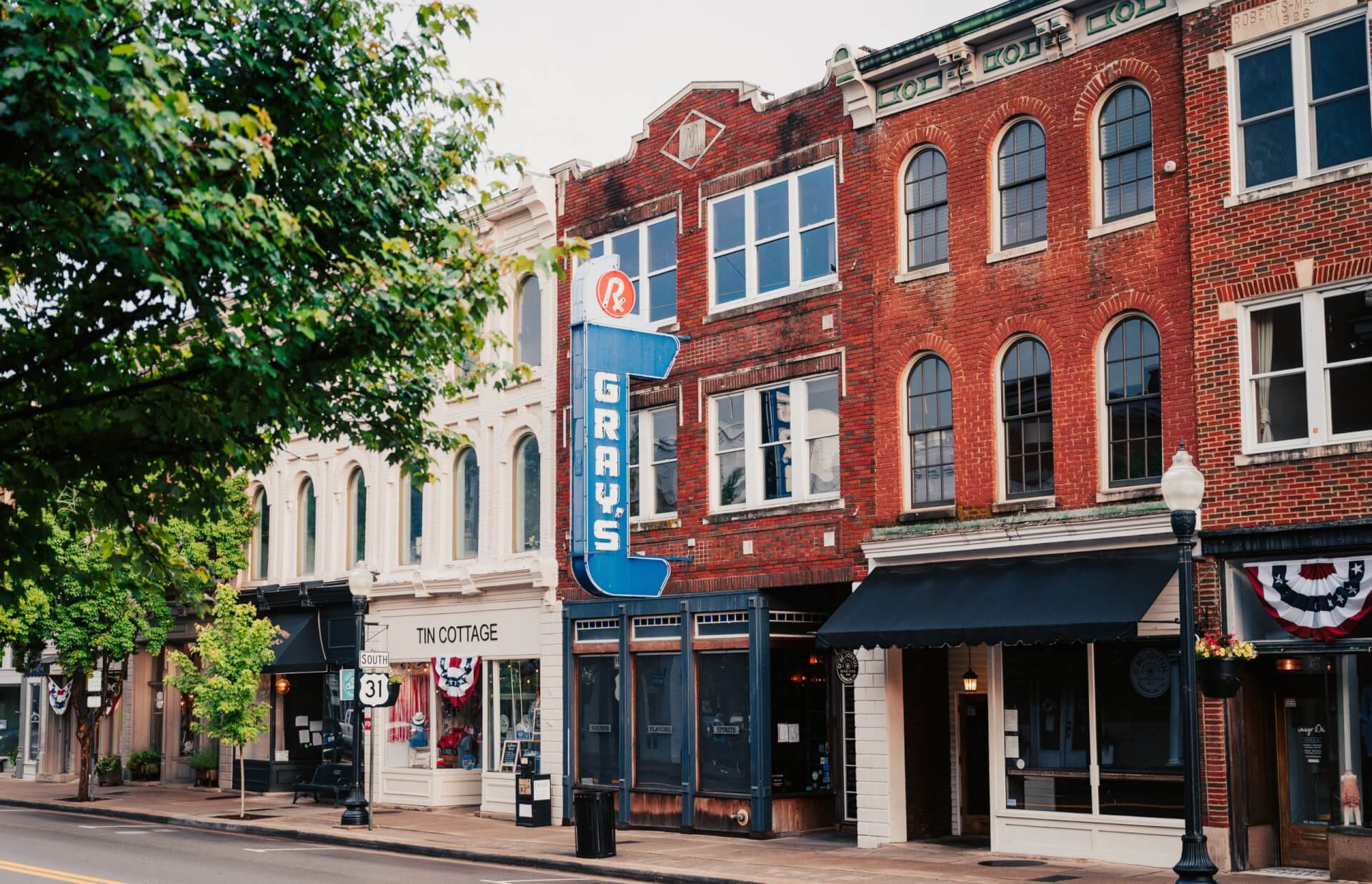
From the 1960s through the 1980s, many towns across the United States were tearing down historic commercial districts in favor of new shopping centers and suburban malls. Old brick storefronts were viewed as outdated and expendable. Downtowns emptied, and with them went much of the character and local identity that had defined these communities.
Franklin could easily have followed that path. In fact, there were many moments when it seemed likely that it would. Yet over time, a coalition of business owners, preservationists, and local leaders pushed in a different direction.
In the mid-1980s, Franklin became one of Tennessee’s early participants in the Main Street program, a national initiative designed to revive historic downtowns by pairing economic development with preservation. The idea was not to freeze Main Street in time. The goal was to keep it commercially viable, culturally vibrant, and architecturally intact. Old commercial buildings were not treated as liabilities. They were recognized as valuable assets.
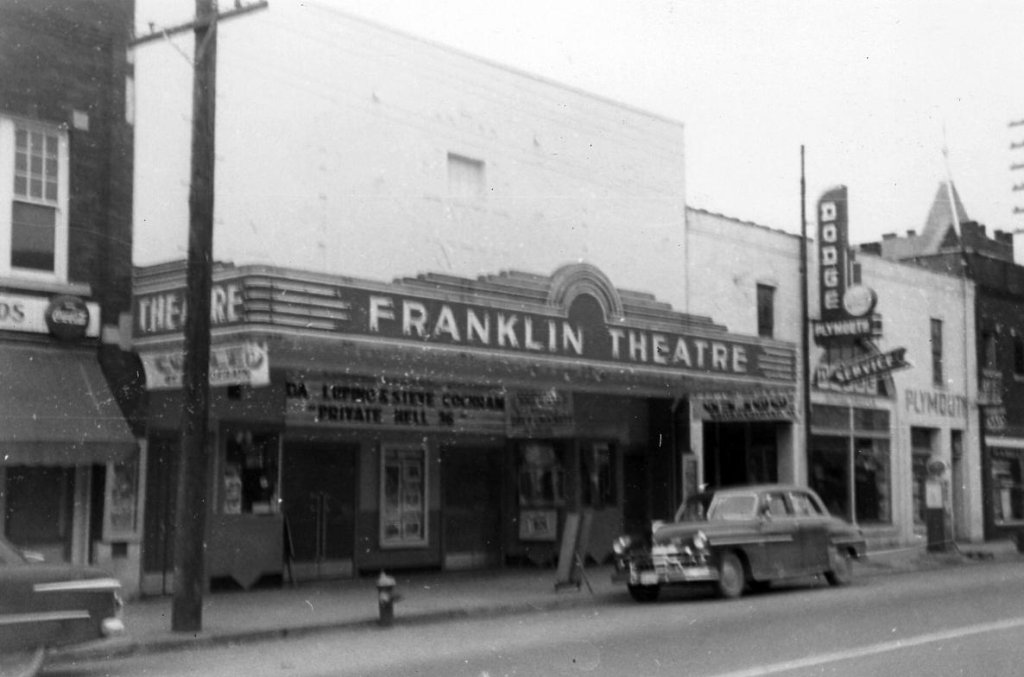
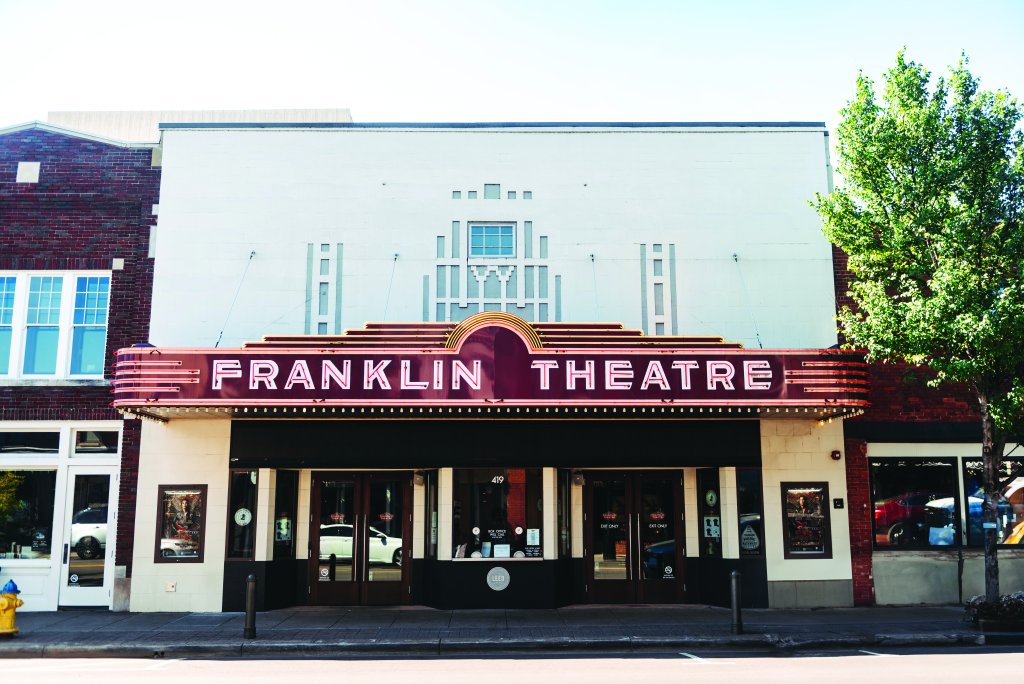
Most notably, certain institutions became emotional and cultural anchors. The Franklin Theatre is a powerful example. Once on the brink of being lost, it is now a thriving performance venue and community gathering place, hosting concerts, films, and public meetings.
At the other end of Main Street, Landmark Booksellers occupies a pre-Civil War structure and serves as a gateway to the intellectual and historical life of Franklin. Visitors can browse titles that explore local history and the broader story of Tennessee and the South. The Williamson County Courthouse and other public buildings keep the downtown core tied directly to civic life and local government. At a time when many civic institutions feel distant or abstract, a historic courthouse on a real town square is a tangible reminder that democracy lives in specific places.
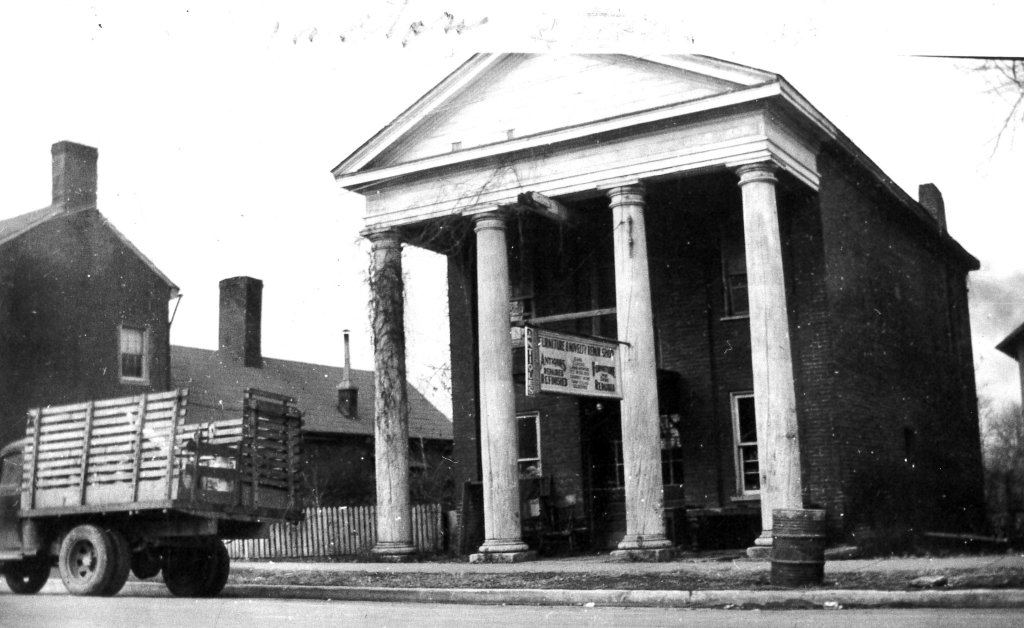
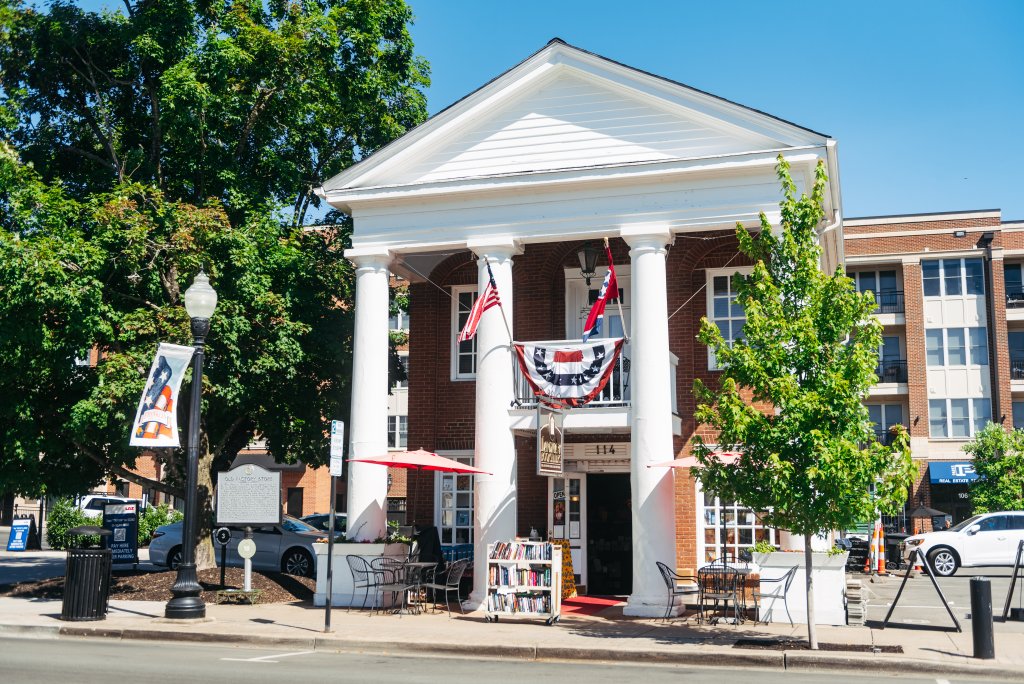
Franklin’s Main Street offers a vision of what a modern community center can be. It is historic, yet not frozen. It is economically productive, yet deeply rooted in memory. It also just so happens to be the most charming Main Street ever — but I have no bias.
Saving the View: The Land Trust Movement
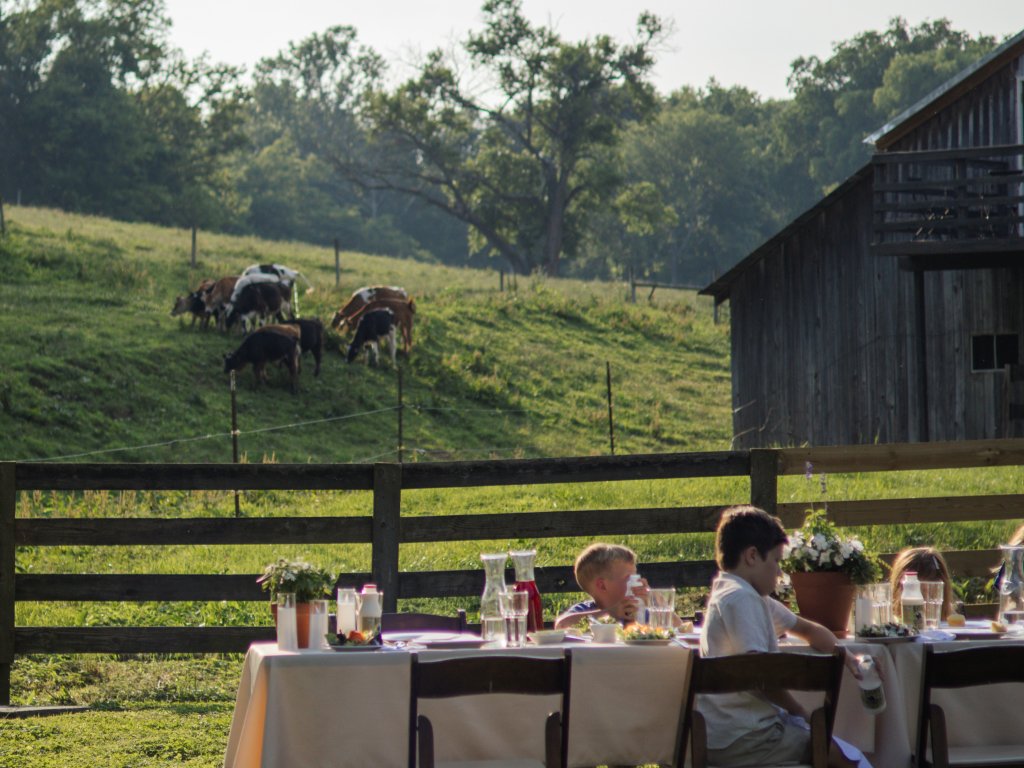
Preservation in Williamson County did not stop with historic houses or storefronts. The county’s character is just as deeply defined by what lies between towns as by what stands within them. Rolling farmland, tree-lined roads, and historic farmsteads tell a story of work, family, and community that stretches back centuries.
Beginning in the 1990s and accelerating into the twenty-first century, Williamson County became a leader in preserving open land through land trusts and conservation efforts. One of the most influential forces in that movement has been the Land Trust for Tennessee, which found an early proving ground in communities like Leiper’s Fork.
Here, a crucial insight took hold: preservation of open land is not the enemy of growth. It is a way to shape growth so that communities remain livable, recognizable, and grounded.
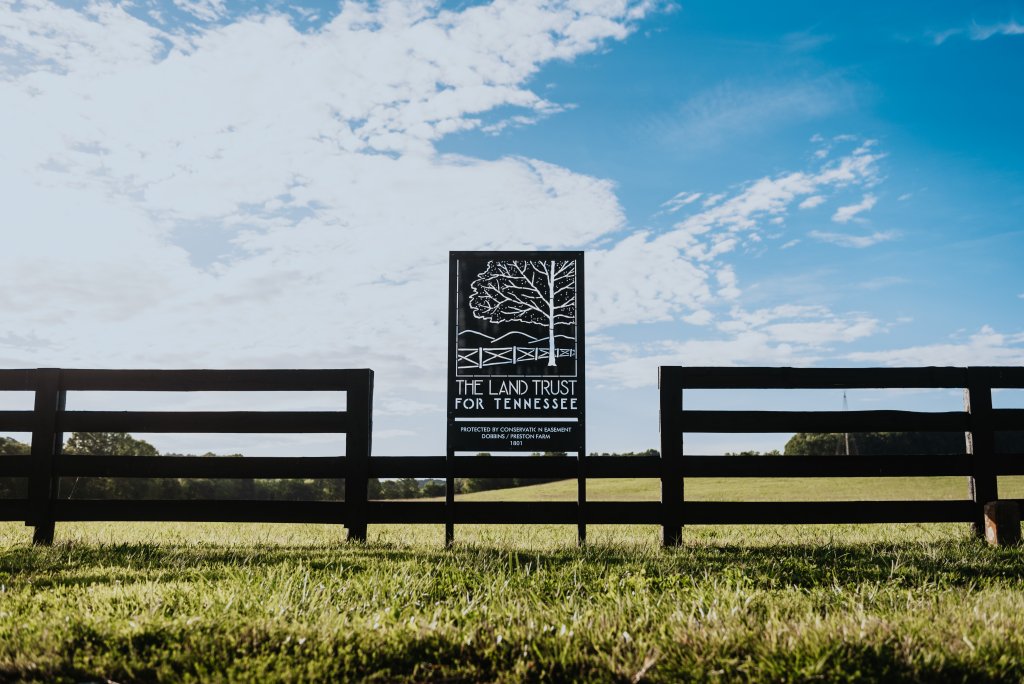
Land trusts work by placing conservation easements on properties. These are voluntary agreements in which landowners limit future development on their land to protect agricultural use, scenic views, historic resources, or natural habitats. Ownership often remains private, but the development rights are curtailed to keep the land functioning as open space or working farmland.
In Williamson County, this approach has:
- Protected some of the oldest working farms in Tennessee, including a small number that date back to the era of the American Revolution.
- Maintained iconic views of rolling hills and pastures that define the visual identity of the county.
- Supported a local agricultural economy, from cattle operations and row crops to specialty and agritourism ventures.
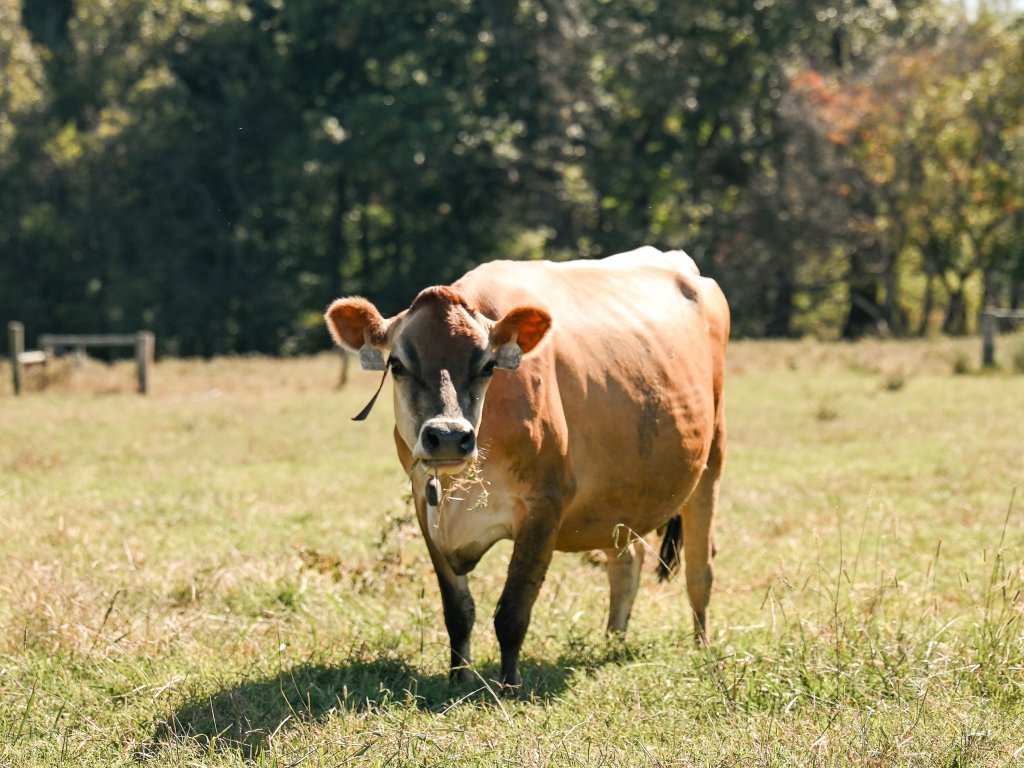
The result is not a static landscape held in amber. New homes and subdivisions still rise in Williamson County. The difference is that key properties and corridors have been identified and protected so that the county retains a balance between built environments and open ones.
Leiper’s Fork in particular has become a national model. It demonstrates that land preservation and economic vitality can reinforce one another. People are drawn to the area precisely because it does not look like everywhere else. The open land is not just a scenic backdrop. It is a living reminder of the farm-based way of life that helped build the county and the state.
The Next 250 Years
Preservation is about choosing which stories, landscapes, and landmarks will guide the next chapter of American life.
Walk a reclaimed battlefield in Franklin, and you stand on ground where the meaning of freedom was fought over in the most literal way. Stroll down Main Street, and you move through a downtown that remains the beating heart of civic and commercial life. Drive the back roads of Williamson County, and the sight of a working farm under conservation tells you that someone chose the long view.
As the United States marks 250 years as a nation, communities across the country are asking themselves what they want to carry forward. In Williamson County, residents and visitors alike continue to benefit from the foresight of those who chose to preserve what mattered most.
We do not have to choose between prosperity and memory, or between growth and character. When communities work together, preservation can be the foundation for both. In Williamson County, that commitment is not just a reflection of the past, but an active, ongoing promise that shapes how the story continues.
The question now is not only what we have saved, but what we will choose to carry forward for the next 250 years.
To hear directly from Dr. Carroll Van West, check out our video covering preservation in Franklin HERE.