


Franklin has long been considered a historic town, maintaining many of the buildings and sites that were built between the city’s founding in the late 18th century through the pre-Civil War period. But Williamson County’s history goes much further back than that, and humans have lived in the area for perhaps as long as 10,000 years.
With the continuous development of communities all over the county, some high-profile archaeological sites have yielded to the bulldozers of suburban expansion. Although ancient dwellings and even graves have been displaced by new neighborhoods, local conservationists like Michael Culbreth, Williamson County’s Nature & Trails Coordinator, continue to work to preserve and document the area’s Native American historical sites.
While he mourns the loss of these important pieces of the county’s history, Culbreth gives credit for what has been preserved. “I would like to give kudos to the city of Brentwood for doing such a good job preserving as much of the Fewkes Site as was practical, but there are sites all over Williamson County that would benefit from permanent protections.”
It’s not too late to discover history in your own backyard, and with the approach of cooler weather and beautiful fall foliage, it’s the perfect time to get outdoors and explore places you might have driven right past without realizing that they were important parts of the region’s history from millennia past.
Related Posts


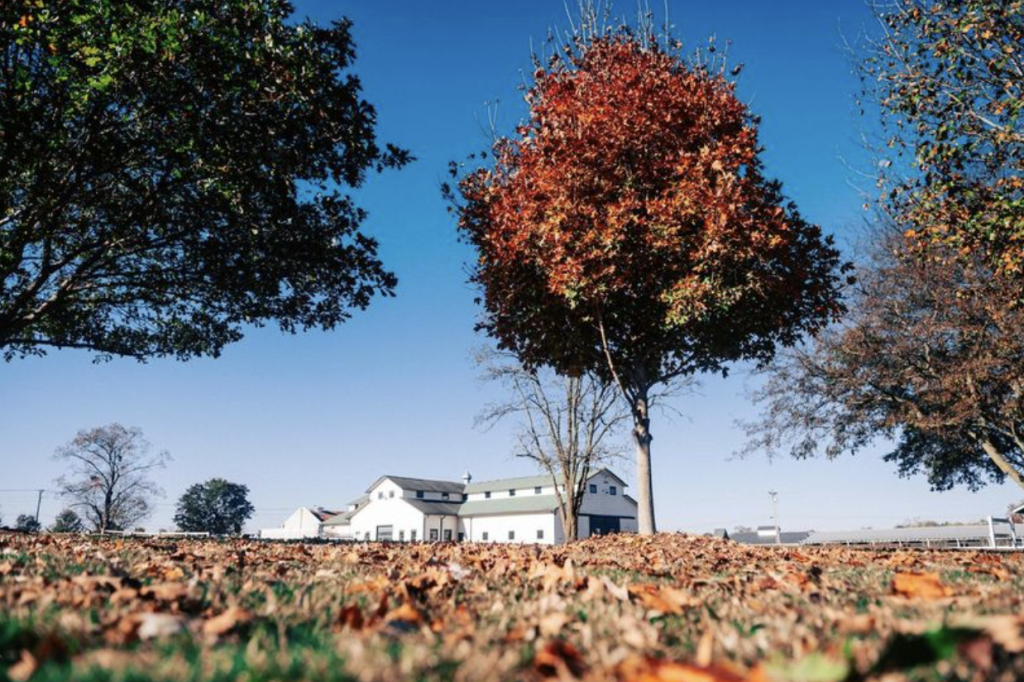
The Natchez Trace Parkway is a great place to start your journey through time, especially when the leaves are showing off their autumnal finery. While today, it’s a federal roadway stretching 444 miles from Nashville to Natchez, Mississippi, the Old Natchez Trace was created by Native Americans as a forest road that they used to pursue prey like bison and deer. As early inhabitants of the area widened and marked the trail, they began to establish permanent settlements along the way.

An important stop along the way was “Old Town,” a prehistoric site along the Big Harpeth River. First occupied sometime around 1100 CE, Old Town became home to hundreds of families, serving as a sort of regional capital for indigenous Mississippian peoples. Two monumental temple mounds are still visible at the site, along with evidence of many dwellings and stone box grave sites for the residents of what became one of the most populated settlements east of the Mississippi River until it was eventually abandoned in the mid-15th century after a long period of droughts.
Old Town is private property and currently home to former Senator Bill Frist and his wife Tracy. Notable previous owners include musicians Kim Carnes and Jimmy Buffett. While the property itself is closed to the public, you can observe the earthworks from the road and learn from a historical marker, or you might have already seen parts of it if you’ve watched Lainey Wilson’s video for “Heart Like a Truck” that was filmed there.
Another Mississippian Period location in Williamson County is the notable Fewkes Group Archaeological Site, also known as the Boiling Springs Site. Located in Brentwood near where Moores Lane meets Wilson Pike, scientists believe that two different groups of Mississippians occupied the Fewkes Site from approximately 1000 CE to 1450 CE. Archaeologists have identified the distinct cultural phases by their different burial methods, with one interring the deceased curled up in round boxes and the other using rectangular stone graves.
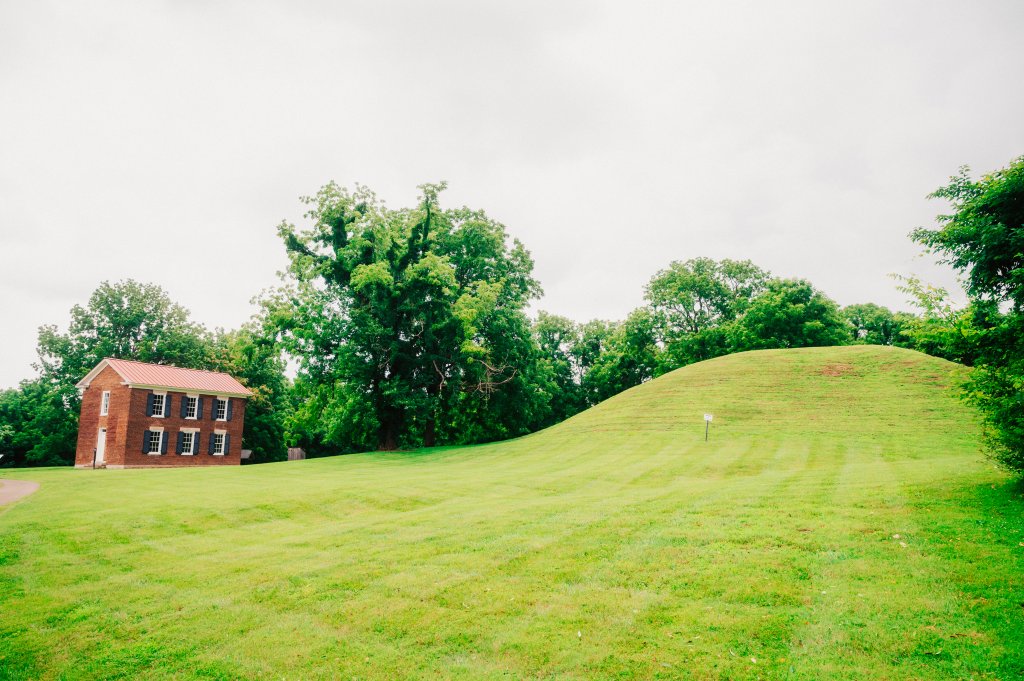
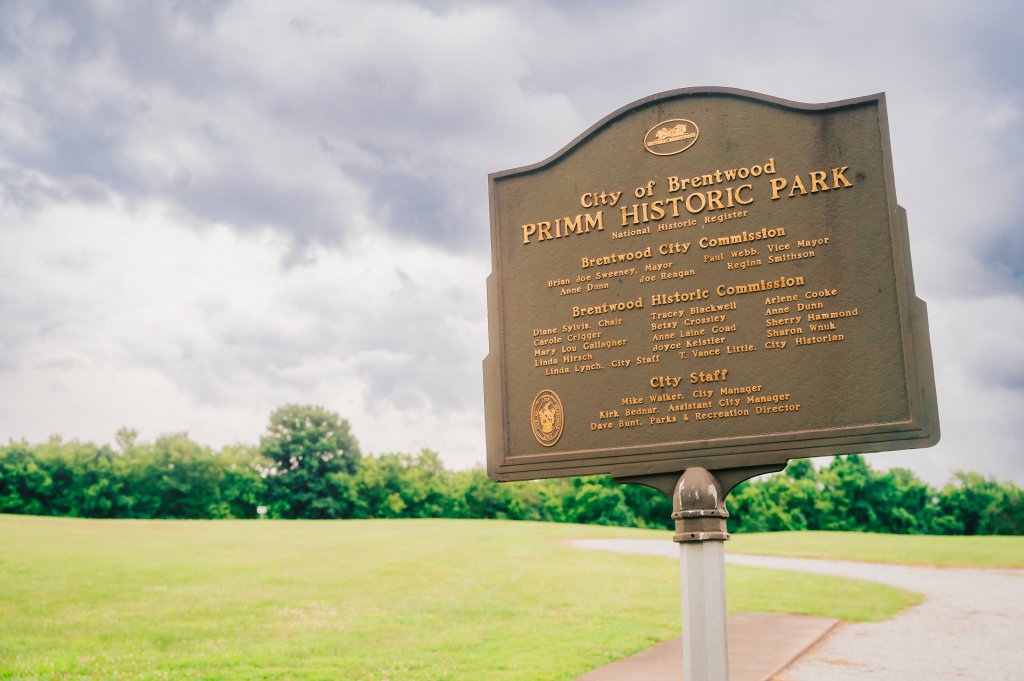
The site sits on the Little Harpeth River in Primm Historic Park, where you can still make out the contours of five mounds. These mounds were used as burial sites and as platforms for ceremonies. Many of the artifacts recovered from early excavations are now in the Smithsonian Institution, and the site was added to the National Register of Historic Places in 1980.
Other southeastern nations’ tribes that inhabited the area around the Old Natchez Trace include the Chickasaw and Choctaw, as well as the Cherokee, Creek, and Shawnee. Many of them were drawn to the area around present-day Leiper’s Fork because of its rich soil for agriculture, abundant fish and wildlife for hunting, and access to water from natural springs and the river. Evidence suggests humans have lived in the area for at least 4000 years.
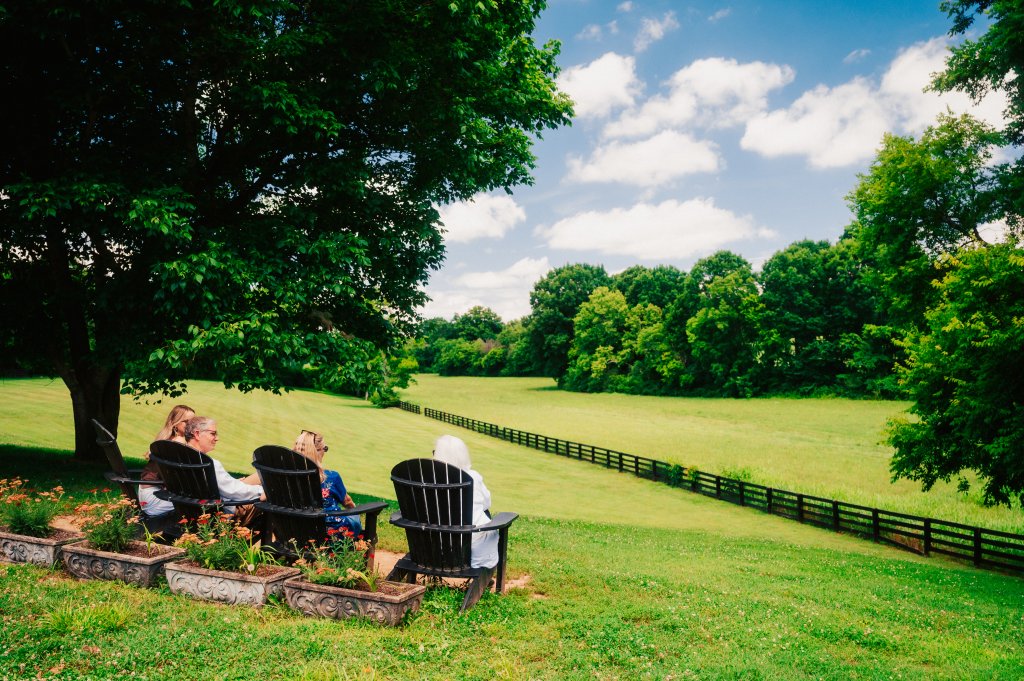
In fact, the Duck River Ridge near Leiper’s Fork Market marked the treaty boundary between the fledgling United States of America and the Chickasaw Nation during the 18th and 19th centuries. Leiper’s Fork was literally “the edge of America,” because if you traveled any farther southwest over the ridge on the Trace, you were entering sovereign Chickasaw territory.
As European settlers began to run up against Native American populations, territorial friction between the groups intensified. President Andrew Jackson sought to create a buffer between white settlers and the indigenous people with the Indian Removal Act. In addition to demanding that more than 60,000 Native Americans be removed from their homelands and forcibly marched along the “Trail of Tears” to west of the Mississippi River, the exodus freed up millions of acres of fertile Southern lands for the burgeoning cotton trade.
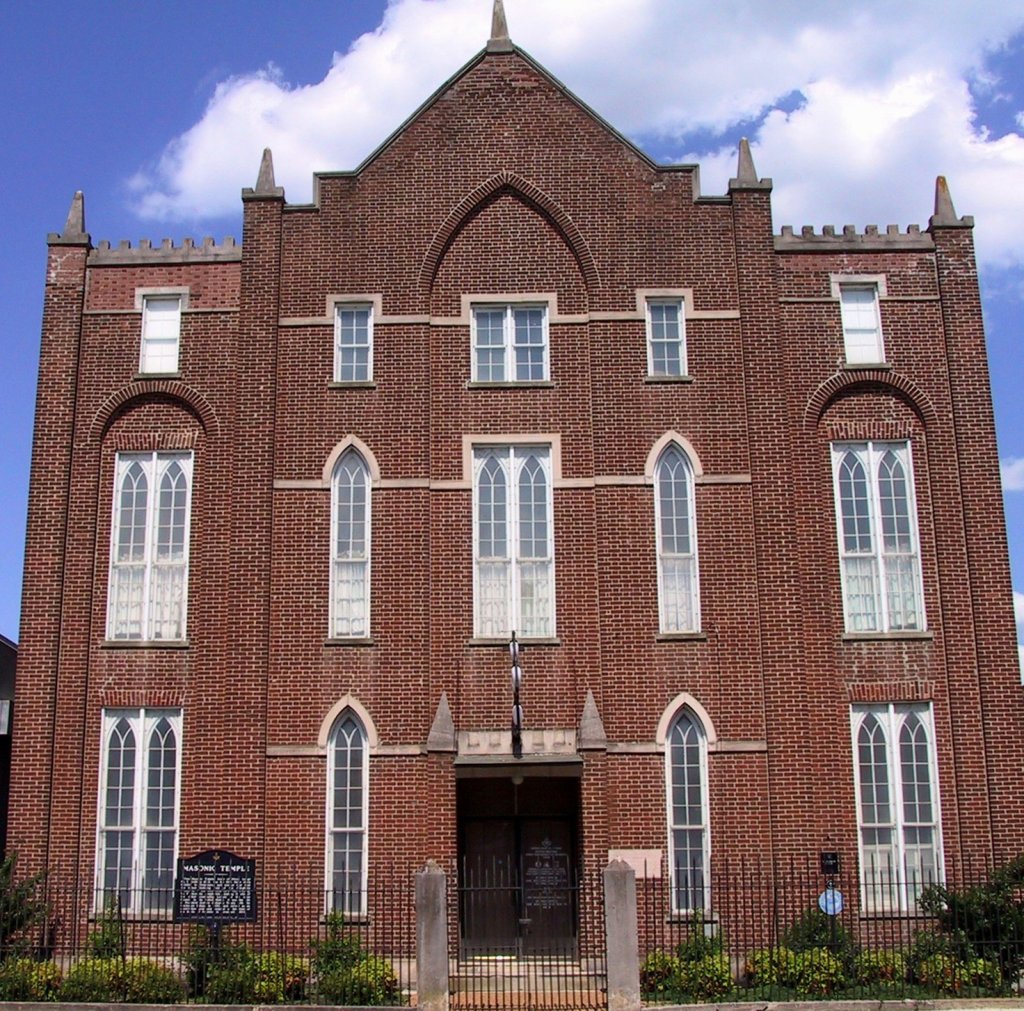
The act stated that the treaties were voluntary, but military threats and legal pressure eventually forced the Nations to accede. Jackson personally negotiated the arrangement with a delegation of Chickasaw elders in 1830 in a meeting at Franklin’s oldest building, The Masonic Lodge. Over the objections of the Supreme Court, Jackson launched the Trail of Tears, marking a devastating turning point in American and Native American history.
The best way to honor history is to study it, and Williamson County offers a myriad of opportunities to find out about the residents who came before. Take advantage of your proximity to these important sites and head out to make your own explorations of the past!


