Most folks coming to Franklin know that one of the bloodiest battles in American history was fought right here in November 1864. The Confederate Army of Tennessee suffered more than 6,200 casualties, and four months later, the Civil War was over.
Like many Southern towns, there’s a carved soldier who stands at the center of the Public Square here. But Franklin’s history is far richer than one day in the 19th century, and we’ve embraced it in humble, hopeful ways. History simply demands that the truth be told, and that’s what this community has done.
Case in point: the “Fuller Story” initiative that started in 2019 added five additional interpretive panels on the Square, adding depth to the narrative—including what the experience of a nation at war was like for everyone else involved. The signs tell the story of the Battle of Franklin, and also of the enslaved who were bought and sold here, and of the challenges of Reconstruction.
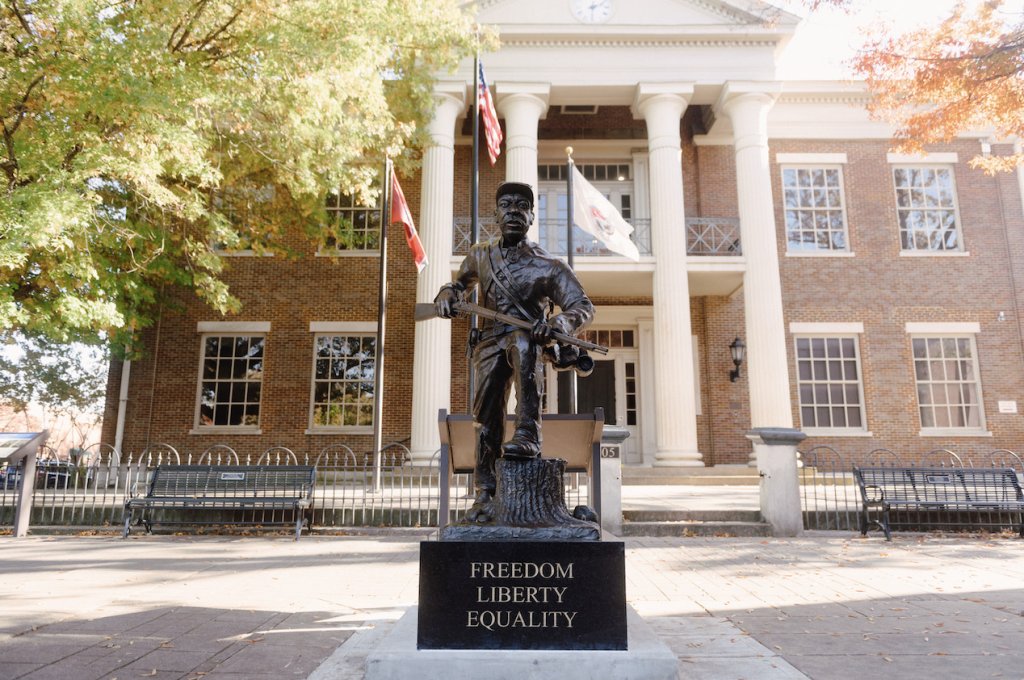
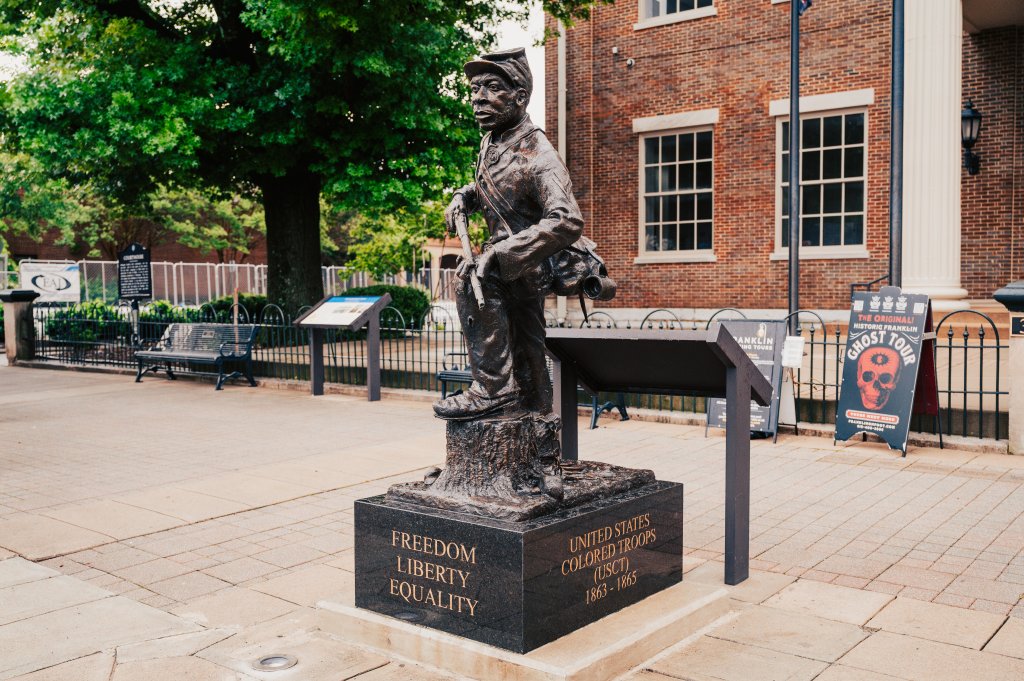
In 2021, a life-sized bronze statue of a United States Colored Troops (USCT) soldier was added in the shadow of Franklin’s historic Courthouse.
Related Posts


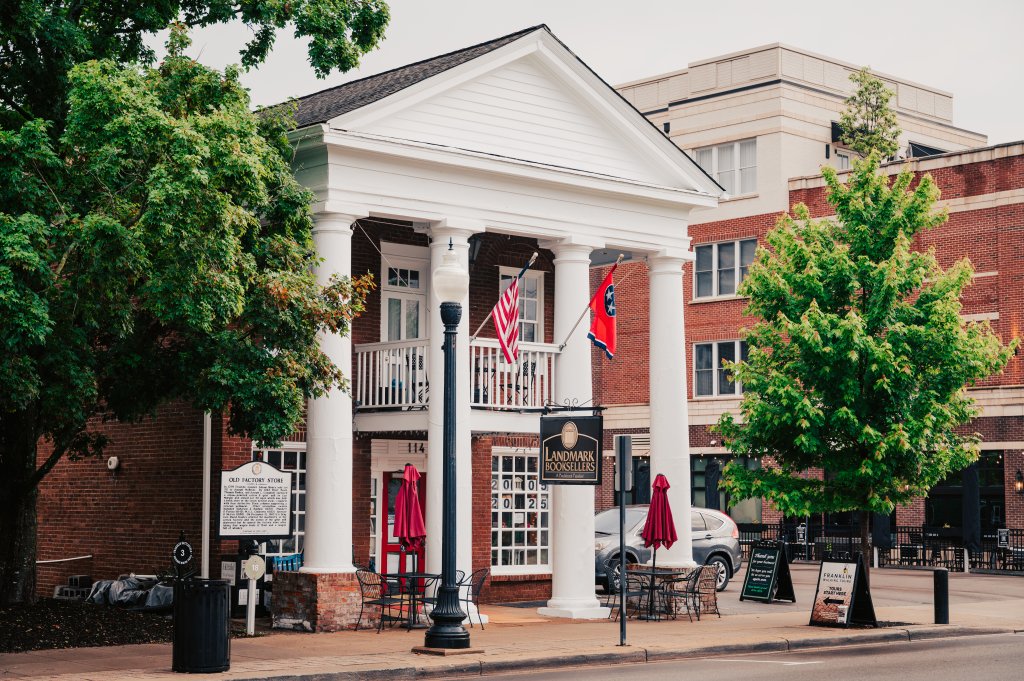
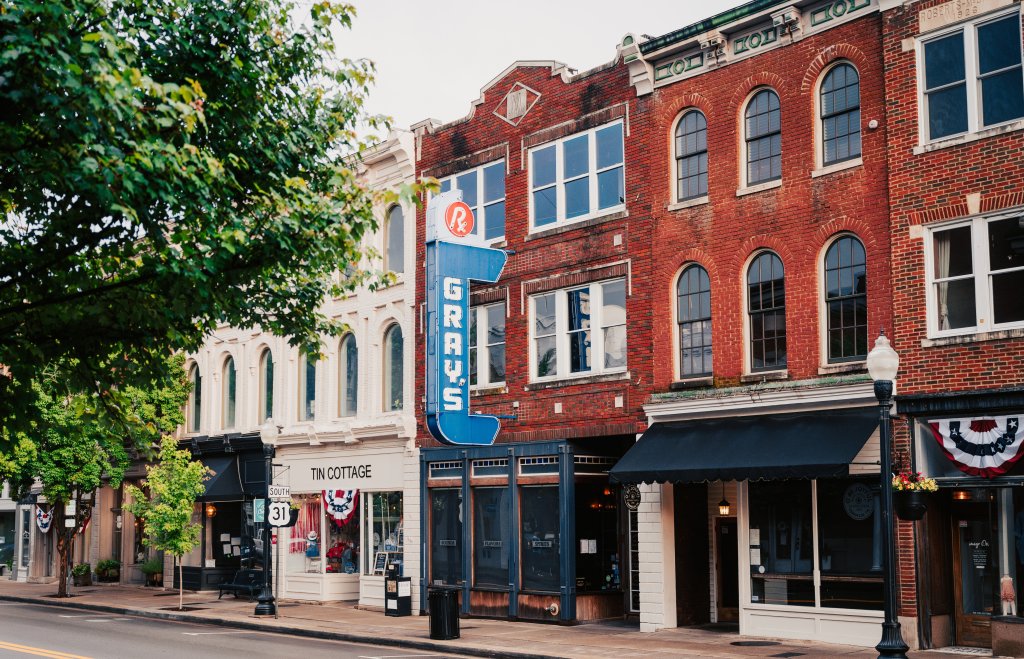
If you only had three hours, then start in the very center of town. From there, you can easily pop into the Ca. 1808 Landmark Booksellers on East Main—one of the oldest buildings in town—and peruse the Victorian-era buildings that are home to our celebrated dining and shopping destinations. The retail district is surrounded by National Register-listed neighborhoods too, with historic markers giving glimpses into various aspects of our past.
Whether by a pleasant walk or a short drive, you could squeeze in a quick self-guided tour of the Carter Hill Park area at the top of the hill on Columbia Avenue. Here, one of the most significant land reclamations in the history of the United States has removed commercial development from more than 30 acres, including the Carter House State Historic Site. This is ground zero for the Battle of Franklin.
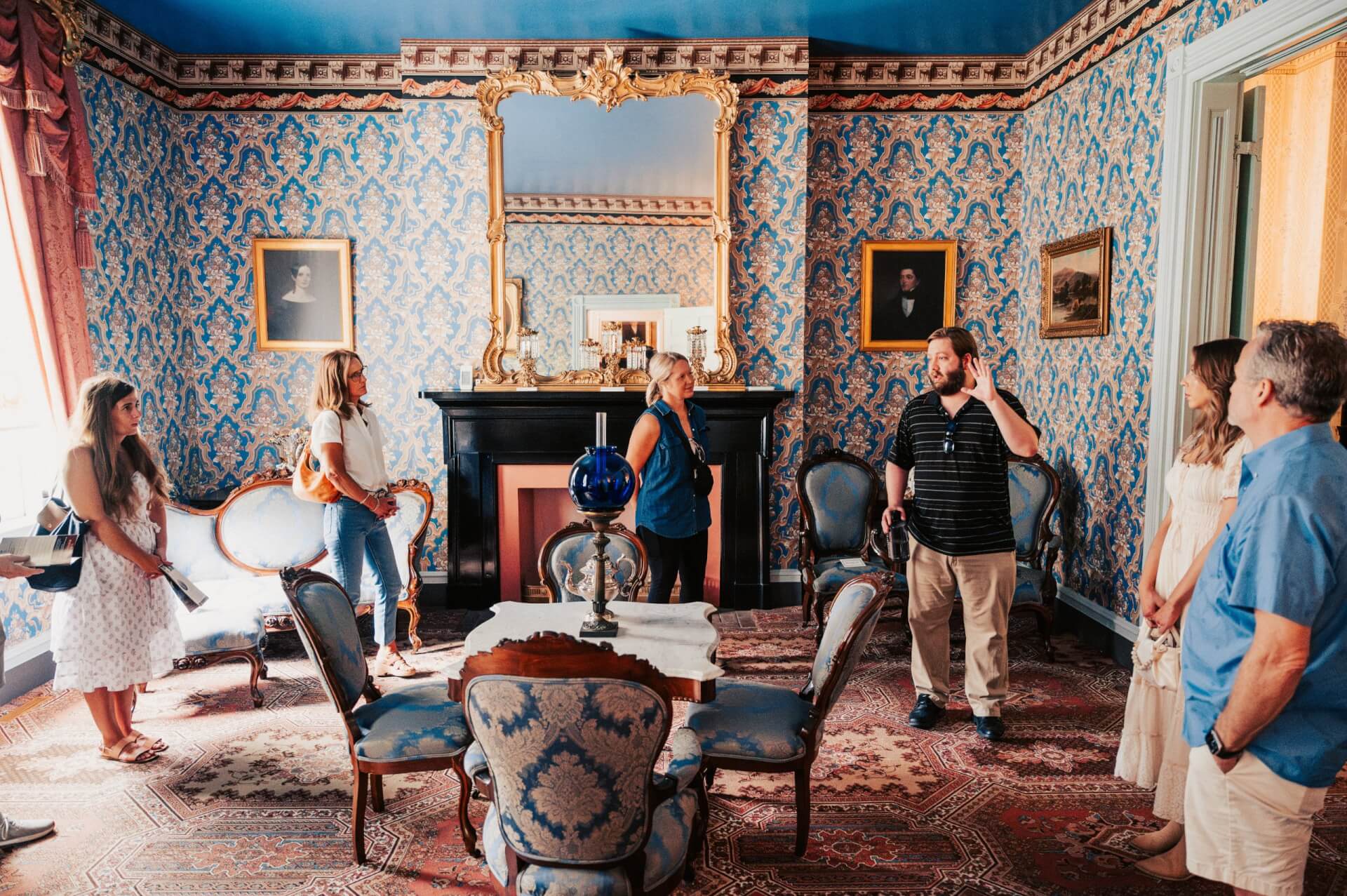
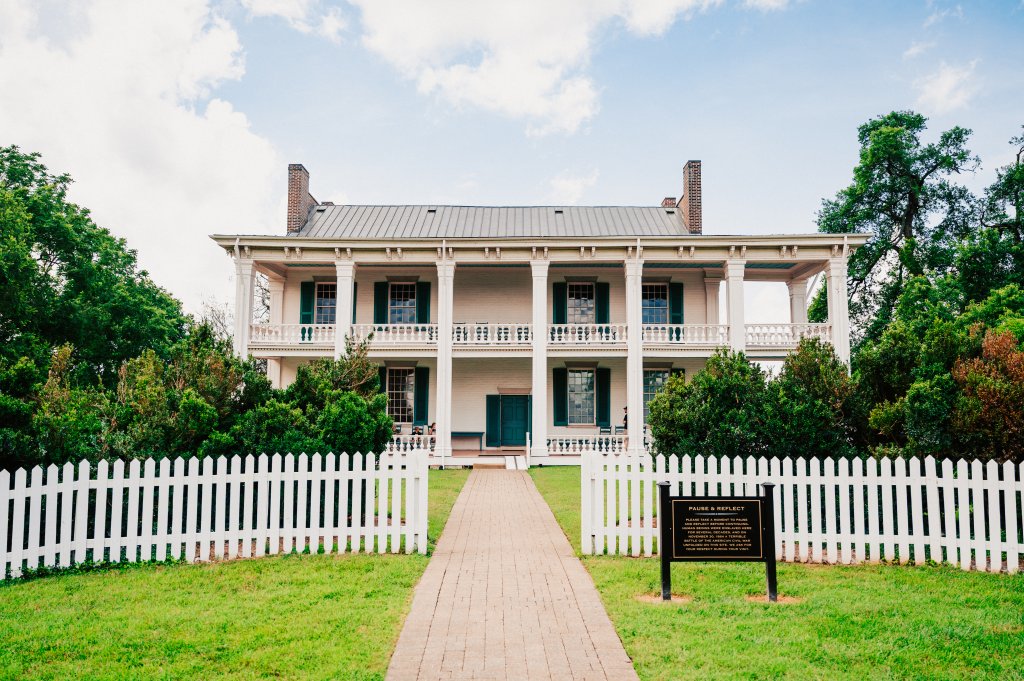
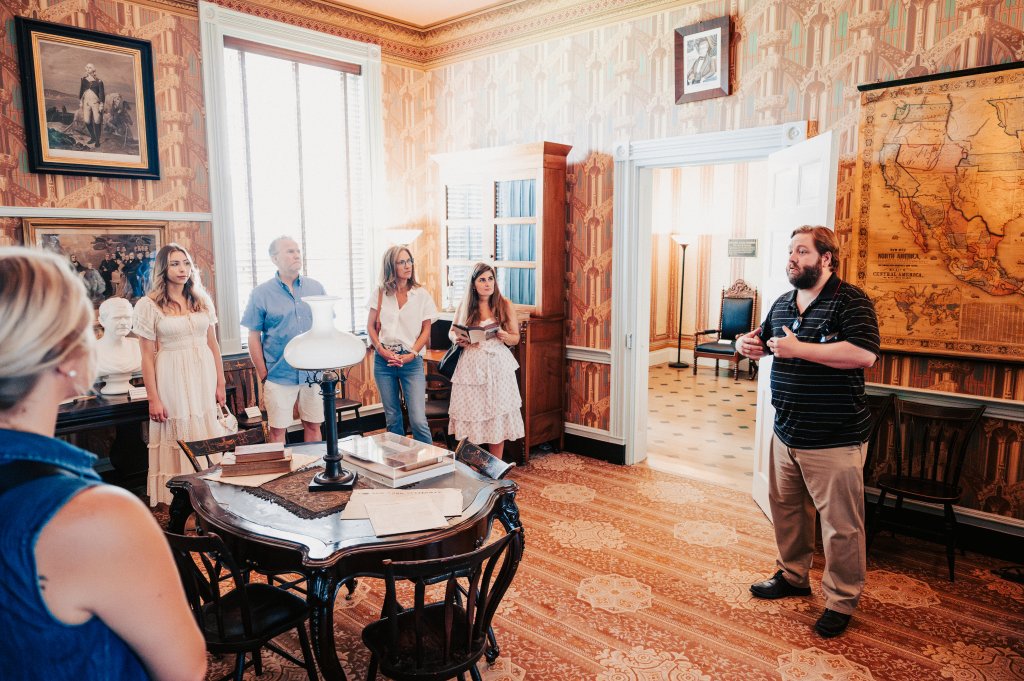
If instead you have a few days, then you’re in for a real treat! The Battle of Franklin Trust manages the Carter House site, which includes the home and bullet-ridden outbuildings that tell a powerful tale of brutal combat for the future of a nation. A new, state-of-the-art Visitor Center is slated to open by Labor Day 2026. On this tour, you’ll see a period-correct homestead inside and out, and hear the story of how the family and neighbors hunkered in the basement while the fight raged outside. When the smoke cleared, Captain Tod Carter lay dying in his own front yard.
The organization also manages Carnton, which became a field hospital for months after the battle. The matriarch, Carrie McGavock, later led the exhumation of the dead from the battlefield and created a cemetery there where nearly 1,500 are buried—558 of which are marked “unknown.” Surrounding the site is the 110-acre Eastern Flank Battlefield Park, a former golf course that now doubles as a passive preserve and educational site. A one-mile loop trail includes interpretive signage along the route.
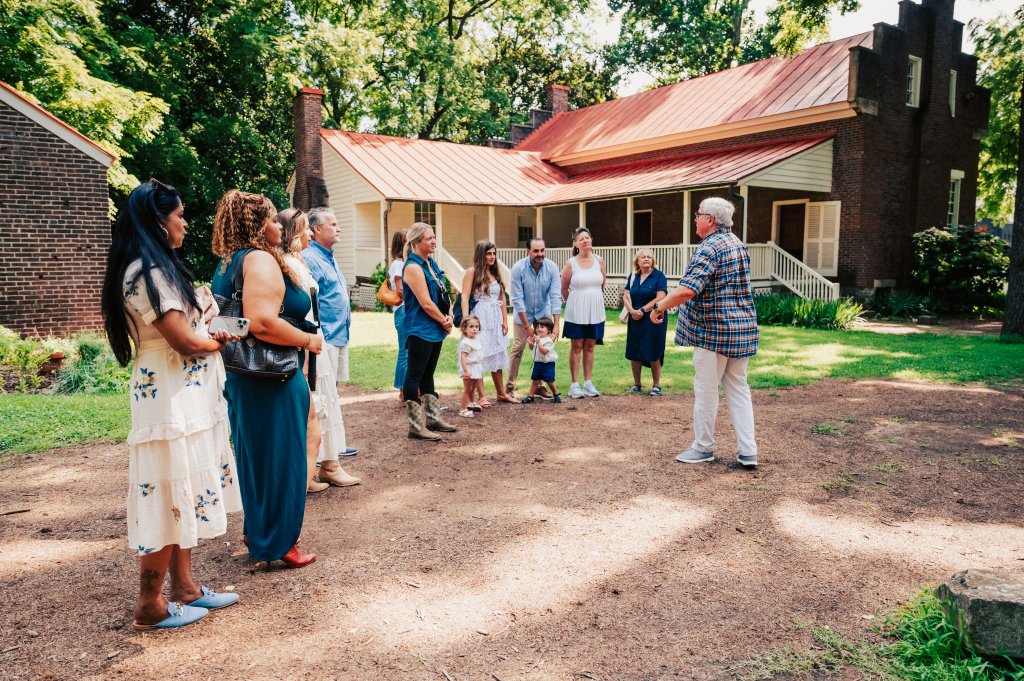
Two walking tours operate in downtown Franklin: Franklin on Foot and Franklin Walking Tours. Both offer small-group and private sessions, with specialty tours (like the famous Murder and Mayhem) offered during certain times or by appointment.
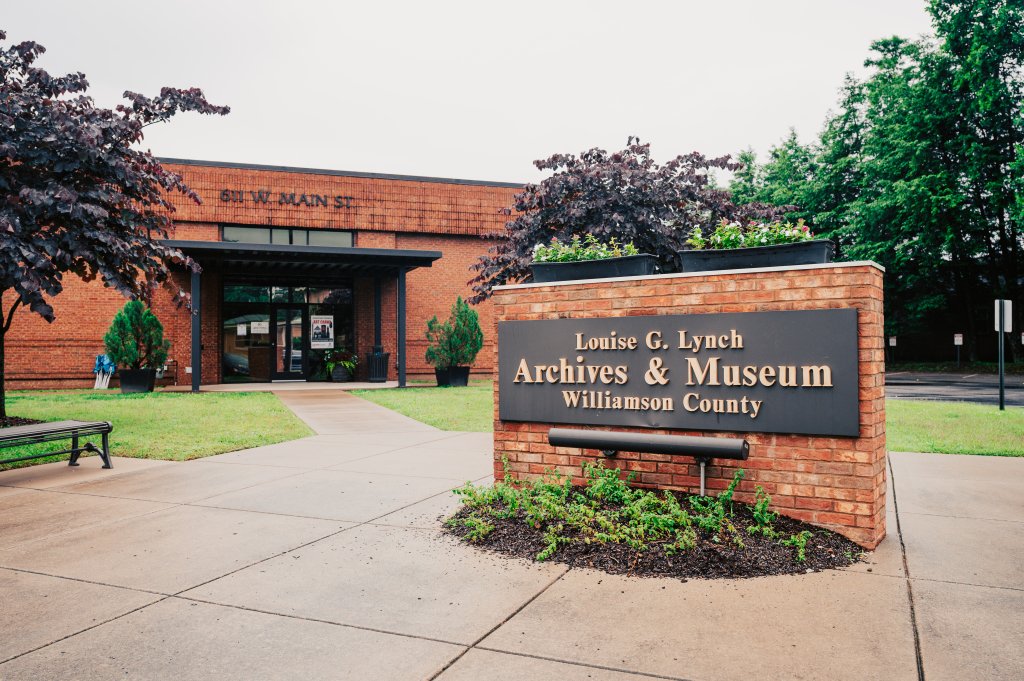
Back in downtown Franklin, the Williamson County Archives & Museum offers a comprehensive look into the county’s legacy through artifacts and displays, plus a comprehensive media library.
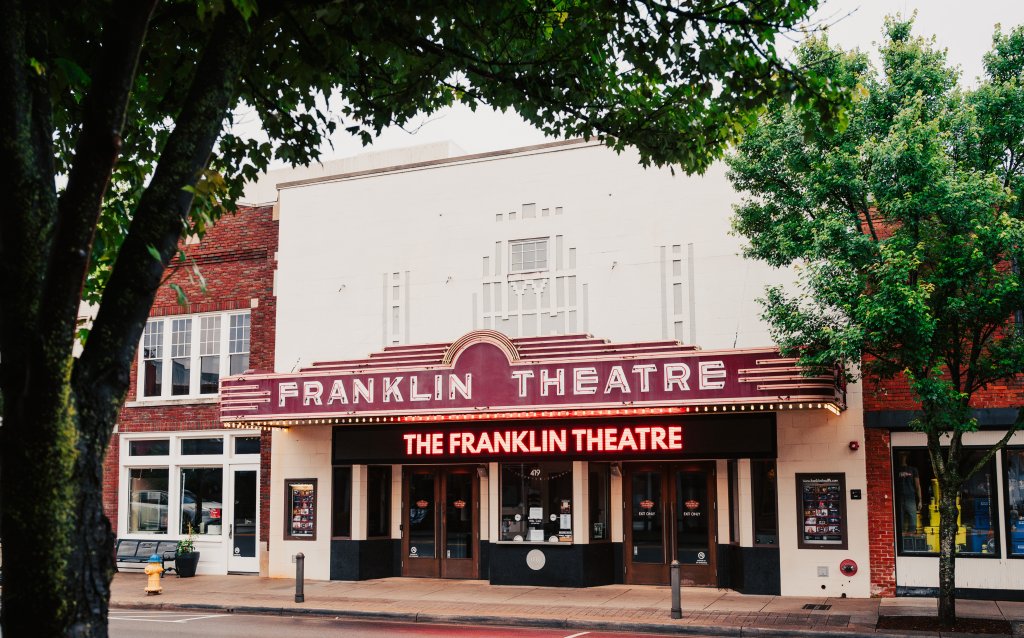
The ca. 1937 Franklin Theatre is a restored Art Deco gem on Main Street, and the perfect place to catch a live performance or classic movie. And The Factory at Franklin, just over the Harpeth River from downtown, has been reimagined as a curated shopping and dining destination, spread across 310,000 square feet of the 1929-era stove factory campus. You can even book a historic tour of the facility, which is worth doing.
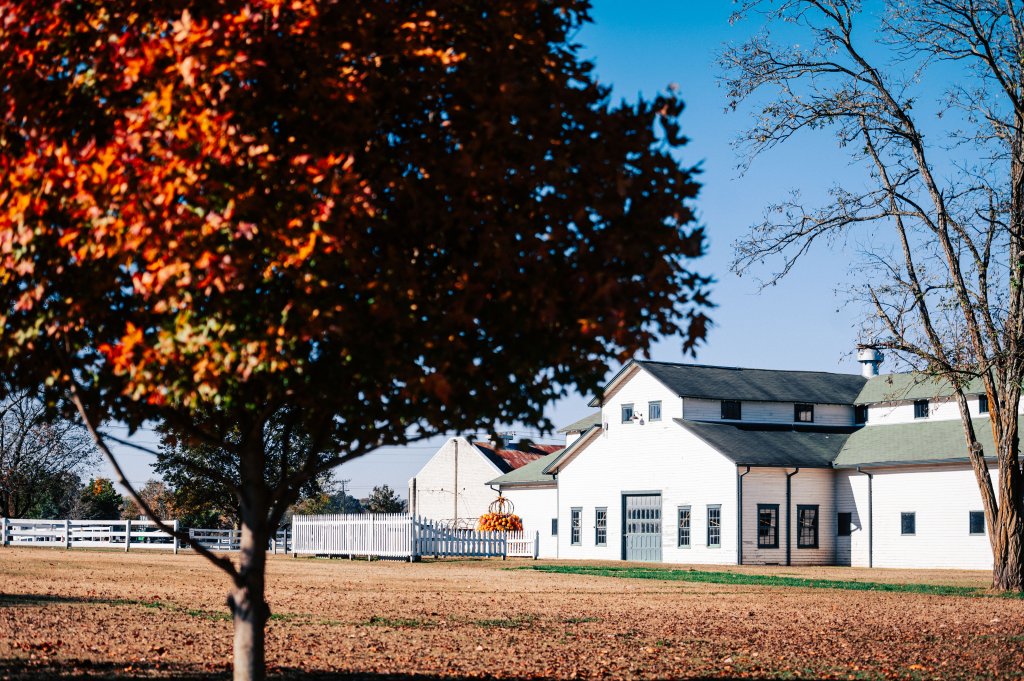
Across the street, the 200-acre former horse farm that is now the Park at Harlinsdale Farm is an urban oasis. Established in 1933, this place literally birthed the Tennessee Walking Horse, and the restored barn and farmhouse are open to the public during certain hours. You might catch a horse show or other fun event in the Tractor Supply Co. Arena there.
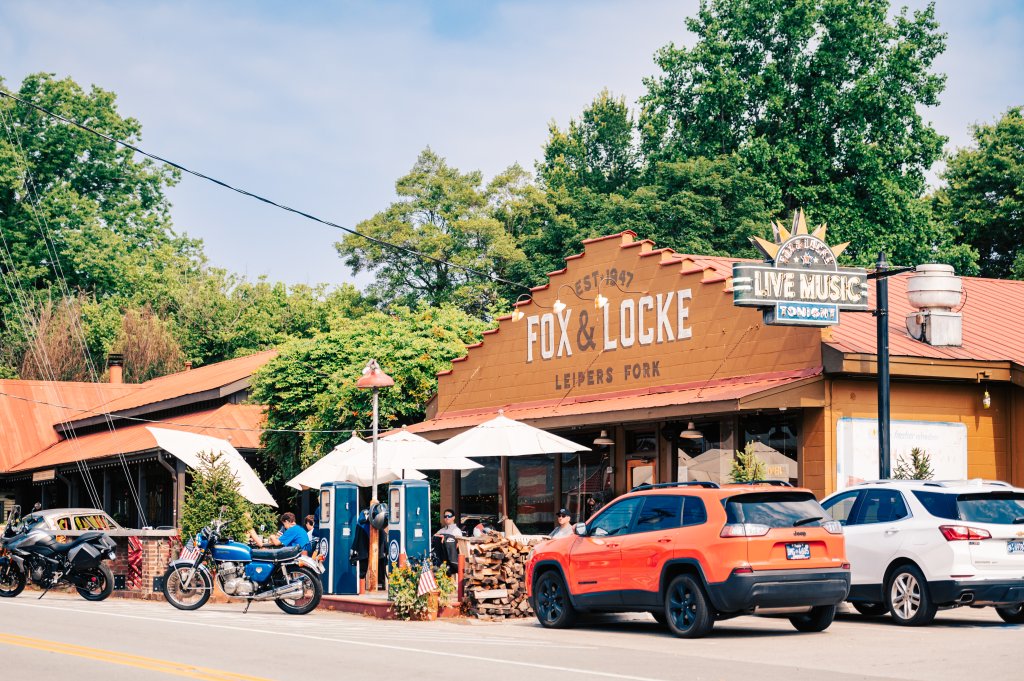
Agriculture is a huge part of our history. Take a drive out to Leiper’s Fork, a charming little hamlet surrounded by stunning farmland and spectacular homes. Fox & Locke is a historic grocery store that now serves as a restaurant and music venue, and you could easily spend a couple of hours shopping the boutiques and galleries along the main drag. Then hop on the Natchez Trace Parkway, a 444-mile-long National Park that runs through town. This scenic byway is gorgeous any time of year, and the waypoints are numerous. You’ll hop back off at the iconic Double-Arch Bridge over Birdsong Hollow en route back to Franklin.
One final pro tip: Don’t overlook Visit Franklin’s Digital Passports! If you had to choose one, focus on Williamson County’s History Trail, but there are 10 others that cover great food, drink, and culture.
Three hours or three days, there’s more than enough to keep you wondering what’s around the next corner. You’ll find an unforgettable American story in Franklin, Tennessee.